10 Sep 2026
Casino Ambiance Factors: How Light and Sound Shape Player Focus at Live Roulette Tables
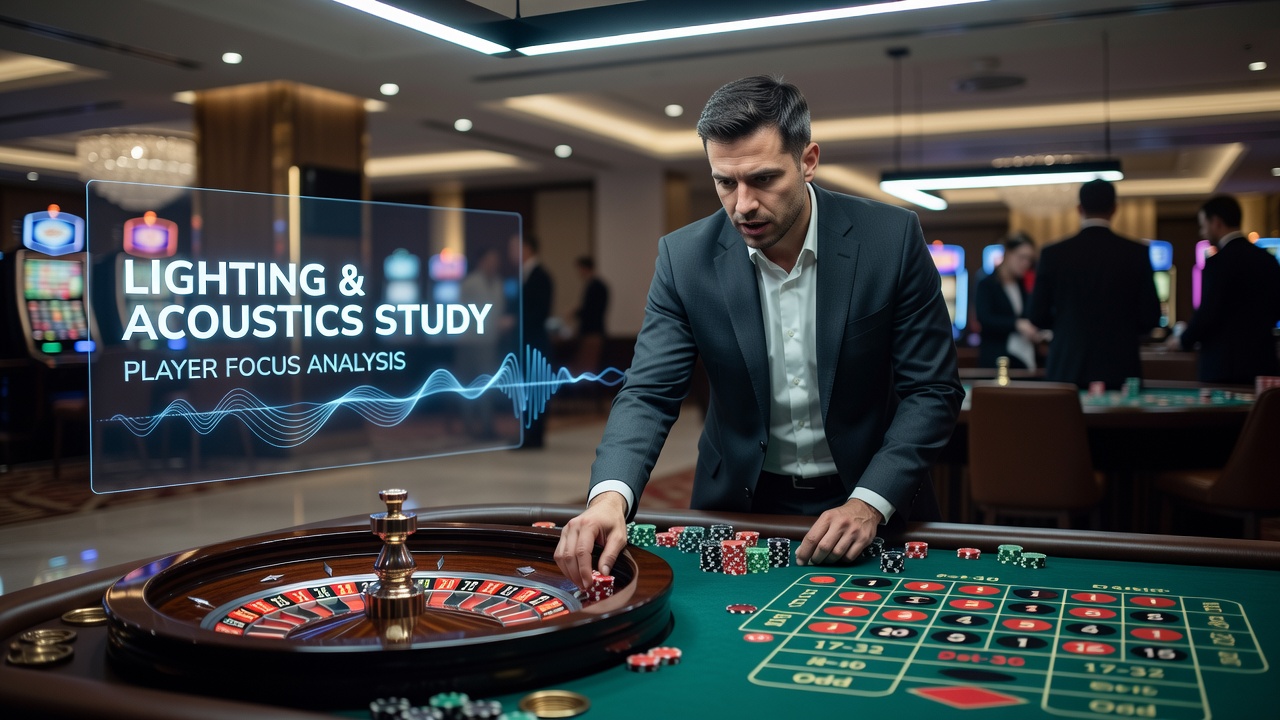
Live casino environments present a complex mix of sensory inputs that researchers continue to examine for their influence on roulette player attention, and data collected across multiple venues shows measurable differences in concentration levels tied directly to lighting configurations and acoustic conditions. Studies from institutions in North America and Europe indicate that players seated under specific illumination setups maintain longer periods of visual tracking on the spinning wheel, while those in brighter or more unevenly lit areas demonstrate shorter focus spans during extended sessions.
Lighting Configurations and Visual Attention Patterns
Research conducted by teams at several university psychology departments reveals that overhead lighting positioned at angles between 30 and 45 degrees above the roulette wheel reduces glare on the felt surface, allowing players to follow ball movement without frequent eye adjustments. In contrast, data gathered from venues in Las Vegas and Atlantic City shows that direct downlighting creates reflective hotspots that correlate with increased blink rates and momentary lapses in tracking accuracy. Observers note that casinos adjusting dimmer systems during peak evening hours often record higher average bet placement times per player, suggesting sustained engagement when light levels remain consistent rather than fluctuating with crowd density.
September 2026 marks the scheduled release of a multi-site study coordinated through the European Gaming Research Network, which will compare player response metrics across 12 venues using standardized lux measurements and eye-tracking technology. Preliminary figures shared at industry conferences already suggest that warm-spectrum LEDs positioned to avoid shadow casting on number grids produce steadier heart rate variability readings among participants, a physiological marker frequently associated with maintained cognitive focus during repetitive decision sequences.
Acoustic Environments and Auditory Distraction Levels
Sound pressure measurements taken inside operating roulette pits indicate that ambient noise levels between 65 and 75 decibels correspond with fewer instances of players requesting repeat calls from dealers, while environments exceeding 80 decibels show elevated rates of clarification questions and delayed betting actions. Acoustics specialists working with casino design firms have documented how directional speaker placement can direct crowd chatter away from primary betting positions, creating localized zones where verbal instructions from staff remain clearer amid background activity. According to reports from the Australian Institute of Gaming Studies, venues incorporating sound-absorbing panels beneath tables recorded 18 percent fewer player-initiated pauses during peak operational periods compared with untreated spaces.
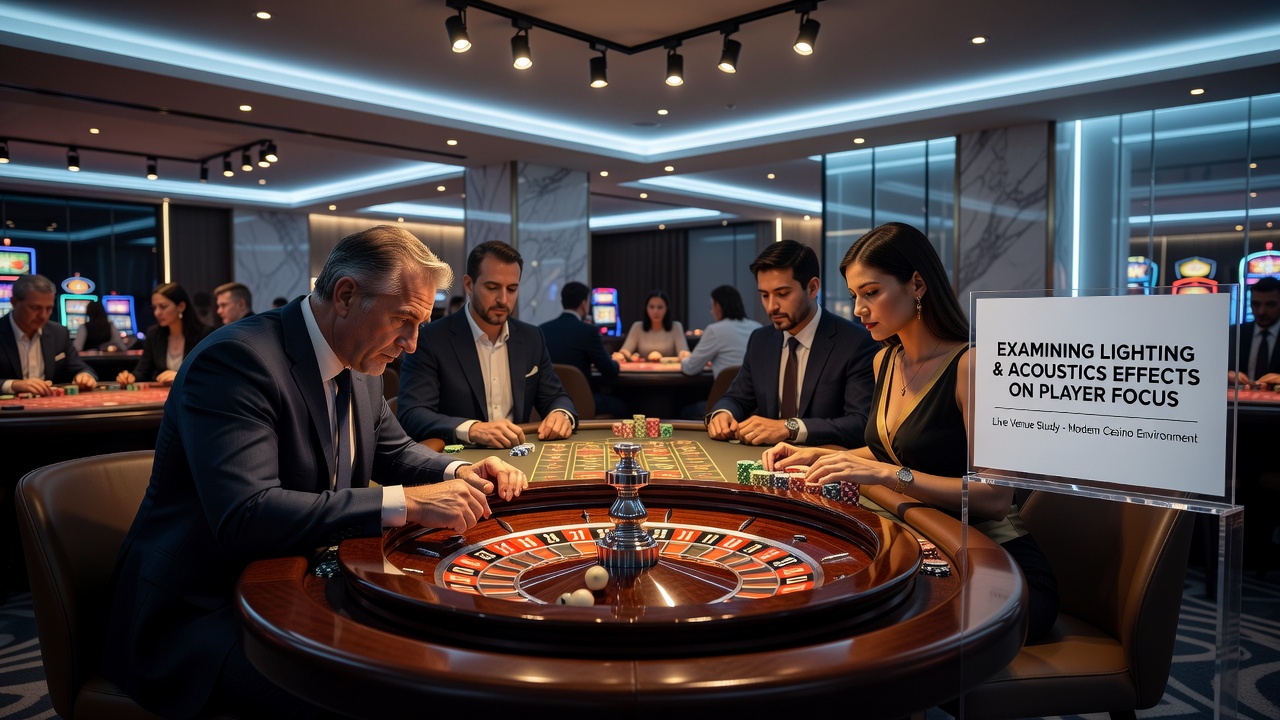
Those examining combined sensory inputs find that simultaneous adjustments to both lighting and sound produce additive effects on attention metrics. One analysis of Macau properties demonstrated that synchronized dimming paired with targeted acoustic baffling extended average session duration by measurable intervals without altering house edge parameters. The American Gaming Association has referenced similar environmental tuning practices in operational guidelines distributed to members, emphasizing data-driven calibration over uniform design templates.
Regional Variations in Venue Design Approaches
Facilities in different regulatory jurisdictions apply distinct standards when addressing these factors. Canadian provincial operators, guided by reports from the Ontario Lottery and Gaming Corporation, have implemented variable lighting zones that adapt throughout operating hours based on occupancy sensors. Meanwhile, data compiled by the Singapore Tourism Board for integrated resorts highlights how integrated acoustic modeling during initial construction phases correlates with sustained player positioning at tables over multi-hour periods. These approaches differ from earlier uniform lighting models that treated all gaming areas identically regardless of table density or foot traffic patterns.
Equipment manufacturers have responded with modular systems allowing on-site adjustments, including tunable LED arrays and modular sound barriers that casino staff can reposition between shifts. Evidence collected through player observation protocols indicates these modifications align with reduced instances of attention drift during high-volume betting rounds, though outcomes vary according to specific venue layouts and existing architectural constraints.
Conclusion
Available measurements and design implementations across live roulette settings demonstrate clear connections between lighting precision, acoustic management, and observable player focus indicators. As additional findings emerge from coordinated studies scheduled through 2026 and beyond, operators continue to refine environmental controls using empirical data rather than generalized assumptions. These adjustments reflect ongoing efforts to align physical casino conditions with documented patterns of sustained attention during roulette play.