2 Jun 2026
Casino Floor Designs and Their Subtle Effects on Roulette Gameplay Dynamics
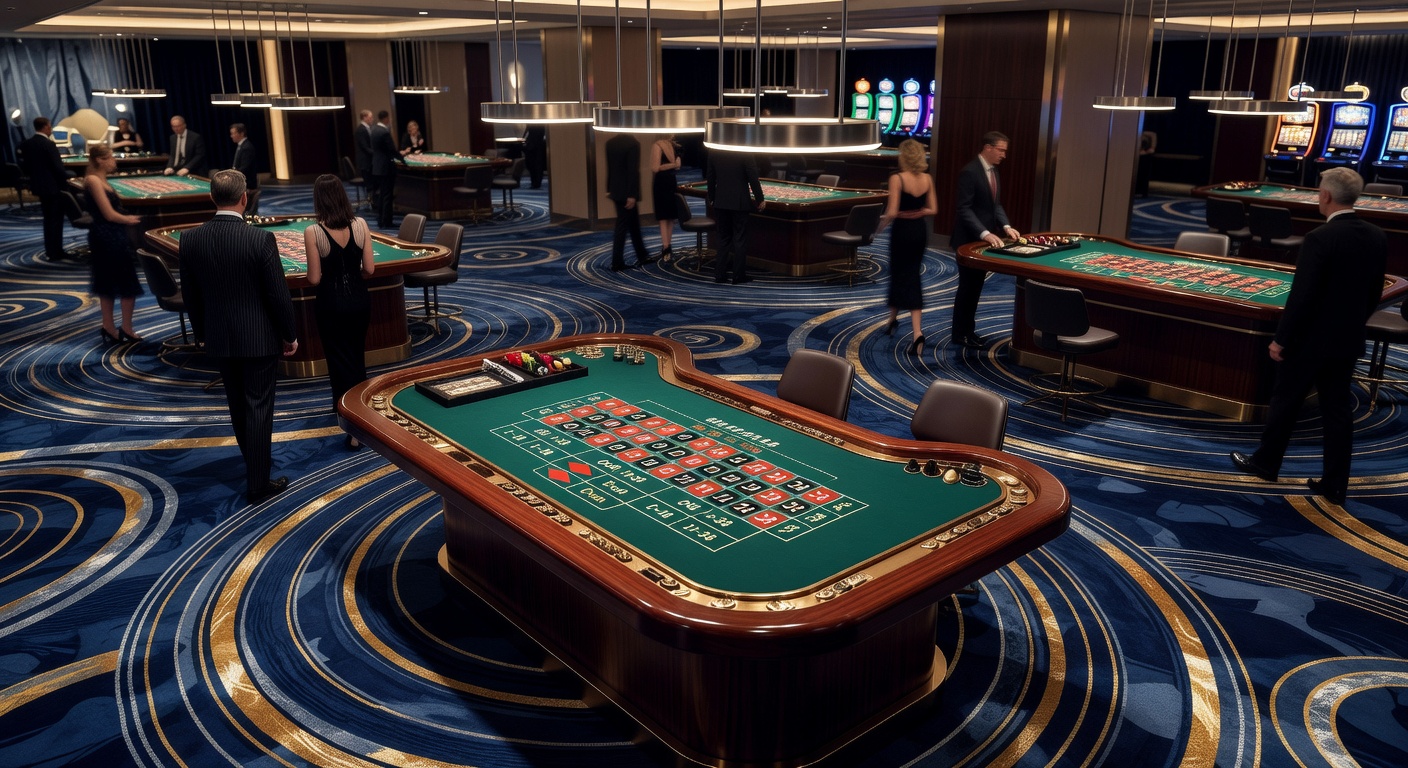
Casino operators arrange roulette tables within broader floor plans that guide foot traffic patterns, and these arrangements influence how players approach betting sequences along with session durations according to industry analyses. Research from the University of Nevada Reno demonstrates that table placement relative to entrances and central walkways correlates with measurable differences in wager frequency and average bet sizes across multiple properties.
Designers position roulette wheels in zones that balance visibility with controlled access, and this strategy affects the rate at which new participants join ongoing games. Data collected by the Nevada Gaming Control Board indicates that tables located within 15 meters of primary circulation paths experience higher turnover rates than those situated deeper within gaming clusters.
Table Placement and Player Entry Patterns
Architects often cluster roulette stations near mid-tier gaming areas rather than high-limit rooms, and this configuration draws players who prefer moderate stakes while extending average play intervals. Observers note that such positioning reduces the intimidation factor for newcomers, which leads to steadier participation throughout evening hours. Studies tracking movement via overhead sensors reveal that players spend additional minutes observing layouts before committing to bets when tables sit adjacent to transitional spaces between slot banks and table games.
Lighting Configurations and Visual Focus
Lighting systems around roulette tables combine overhead spots with softer perimeter illumination, and these choices help maintain attention on the wheel while minimizing distractions from surrounding activity. Facilities in Las Vegas properties reported in 2025 that adjustable LED arrays allowed operators to reduce glare on betting layouts, which resulted in fewer interruptions during spin cycles. Researchers have measured how warmer color temperatures encourage longer dwell times at individual stations compared with cooler tones that promote quicker decisions.
Acoustic Elements and Crowd Density Effects
Sound absorption materials integrated into ceilings and partitions dampen ambient noise around roulette areas, and this acoustic control supports clearer communication between dealers and participants during high-volume periods. June 2026 reports from gaming analytics firms highlight that properties employing zoned soundscapes recorded steadier betting rhythms even as overall floor occupancy increased. Dense groupings of tables near live entertainment zones correlate with elevated background chatter, yet players maintain focus when barriers direct audio flow away from the wheel itself.
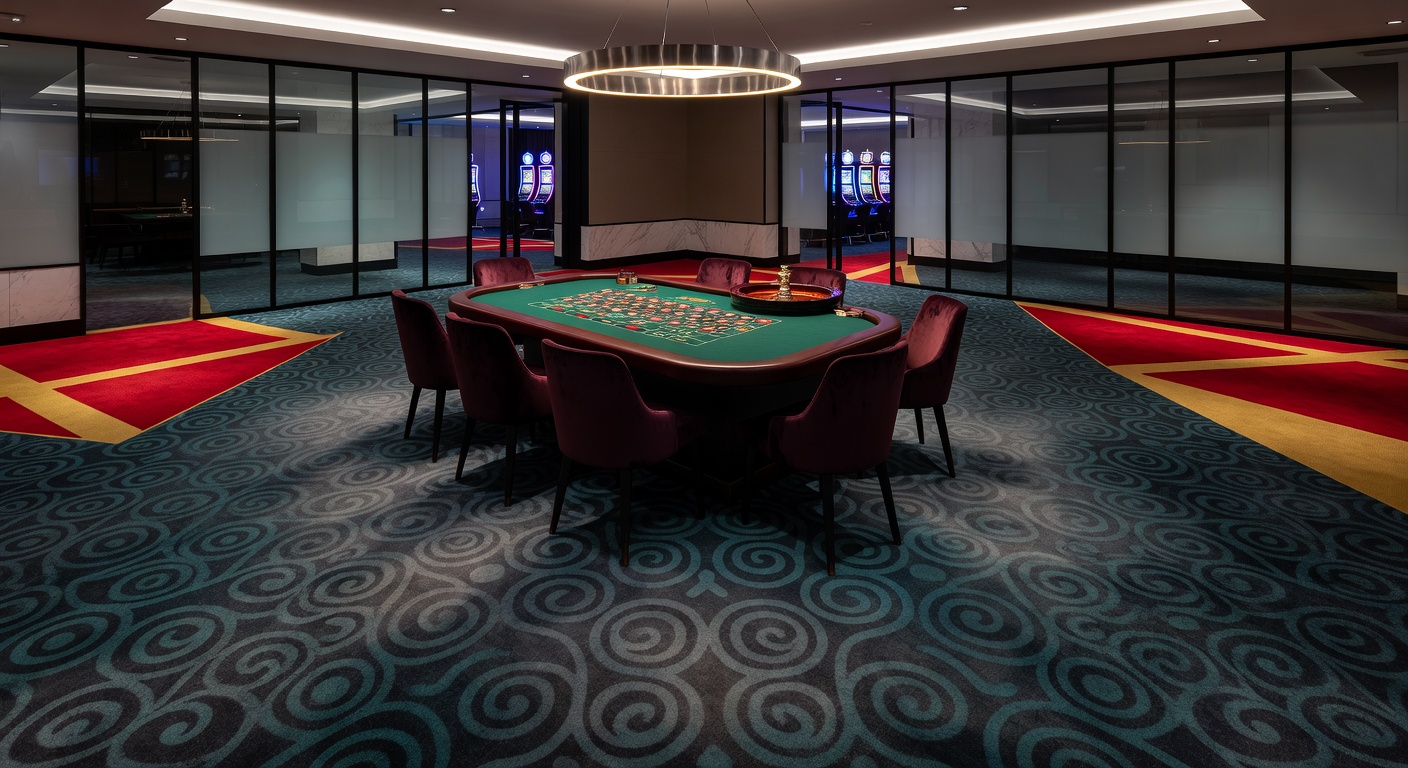
Carpet textures and color gradients direct foot traffic toward or away from specific tables, and these subtle cues alter the speed at which observers transition into active players. Facilities using contrasting patterns around roulette perimeters have documented increased approach rates from adjacent slot machine rows, according to operational data shared by regional gaming associations in North America.
Integration With Adjacent Gaming Options
Operators place roulette stations near blackjack pits or craps tables to create natural cross-traffic, and this adjacency encourages players to sample multiple games within single visits. Evidence from European casino management studies shows that such arrangements extend total time spent on the floor without necessarily increasing individual roulette exposure per session. When tables sit isolated near restrooms or exits, participation drops during peak hours because players encounter fewer visual prompts to pause and engage.
Modern Trends Emerging in 2026
By June 2026 several major resorts introduced modular floor elements that permit rapid reconfiguration of roulette zones based on real-time occupancy sensors, and early implementations indicate modest shifts in average spin participation rates. These adaptive layouts respond to daily traffic fluctuations while preserving core sightlines to the wheel. Industry reports compiled by the American Gaming Association link these changes to incremental improvements in player retention metrics across monitored sites.
Conclusion
Casino floor designs integrate multiple spatial and sensory variables that collectively shape roulette dynamics through placement, lighting, acoustics and adjacency factors. Quantitative tracking continues to document how these elements guide entry patterns, session lengths and bet distributions across diverse properties without altering core game rules. Continued monitoring by regulatory and academic bodies provides ongoing data on these environmental interactions.