Chasing Imperfections: How Biased Wheels Handed Wins to Astute Observers
25 Mar 2026
Chasing Imperfections: How Biased Wheels Handed Wins to Astute Observers
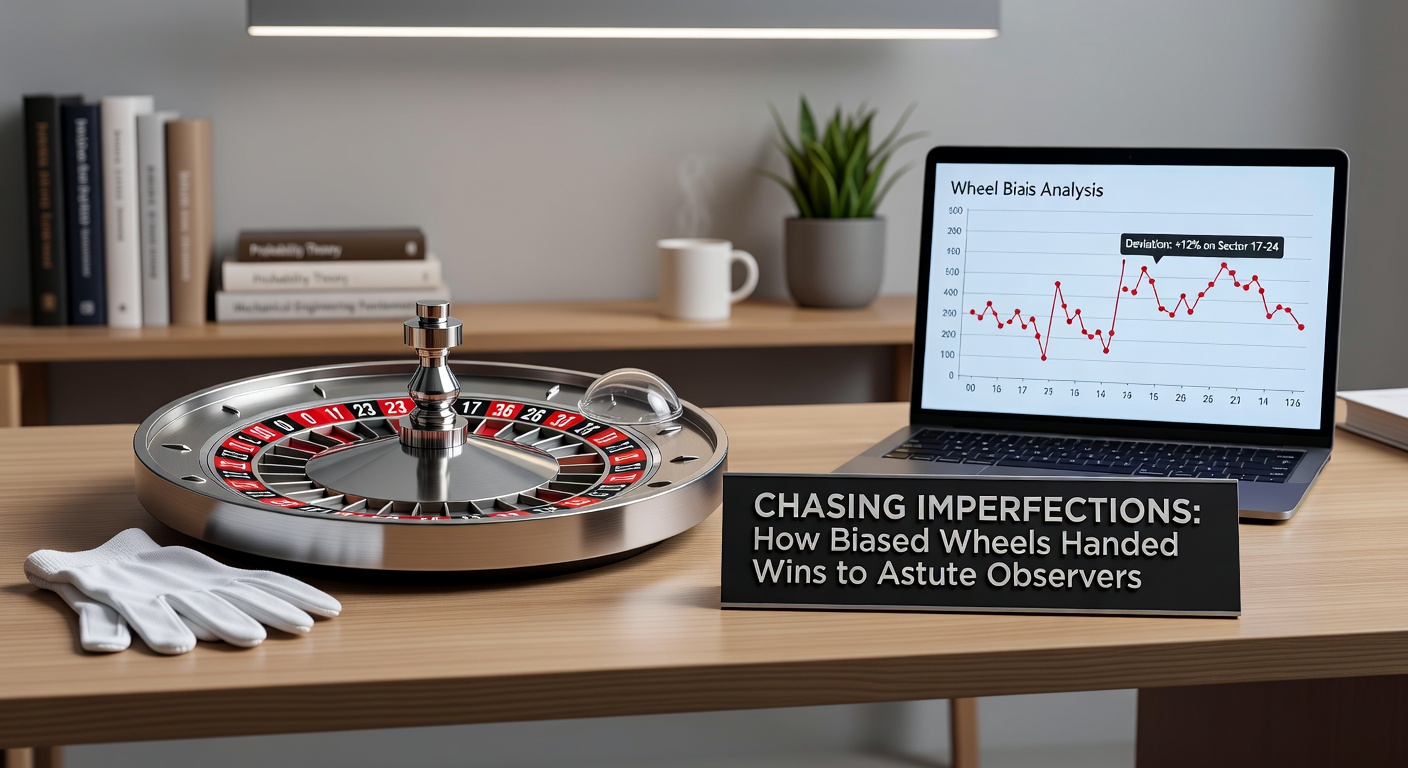
The Physics Behind the Spin: Why Wheels Go Off-Kilter
Roulette wheels, those elegant circles of ebony and ivory, rely on perfect balance for true randomness; yet manufacturing flaws, constant use, and even subtle tilts from uneven casino floors create biases that savvy players exploit. Data from early 20th-century casino audits reveals pockets landing up to 10% more often than expected, while modern engineering studies confirm wear on frets and deflectors shifts ball trajectories predictably. Turns out, a wheel's ivory balls don't always dance fairly, and observers with notebooks turned that flaw into fortune.
Experts tracking wheel mechanics note how repeated spins erode ball tracks, causing the sphere to favor certain sectors; one analysis by UNLV Center for Gaming Research details how micro-imperfections amplify over thousands of revolutions, handing edges to those who watch long enough. But here's the thing: casinos built these marvels from wood, metal, and precision parts that inevitably degrade, so biases emerge not from malice, but from physics doing its relentless work.
Joseph Jagger's Monte Carlo Breakthrough in 1873
Joseph Jagger, a British engineer tired of textile mill life, arrived at Monte Carlo's Casino de Monte-Carlo with a simple hunch and six clerks; they recorded 20,000 spins over weeks, uncovering a wheel biased toward nine numbers clustered in one sector, which hit far beyond chance. Historical records show Jagger won £80,000—millions today—before the casino rotated the wheel, yet he switched tables and kept profiting; that run lasted months, forcing management to rethink maintenance amid headlines screaming of rigged games.
And while skeptics cried foul, probability experts later confirmed the data: certain pockets appeared 1,533 times against an expected 1,322, a statistical anomaly screaming bias. Jagger's story, detailed in casino ledgers preserved to this day, illustrates how patient observation trumps luck; people who've studied his methods often rediscover that raw spin counts reveal patterns invisible to casual eyes.
Gonzalo Garcia-Pelayo's Madrid Mastery and Beyond
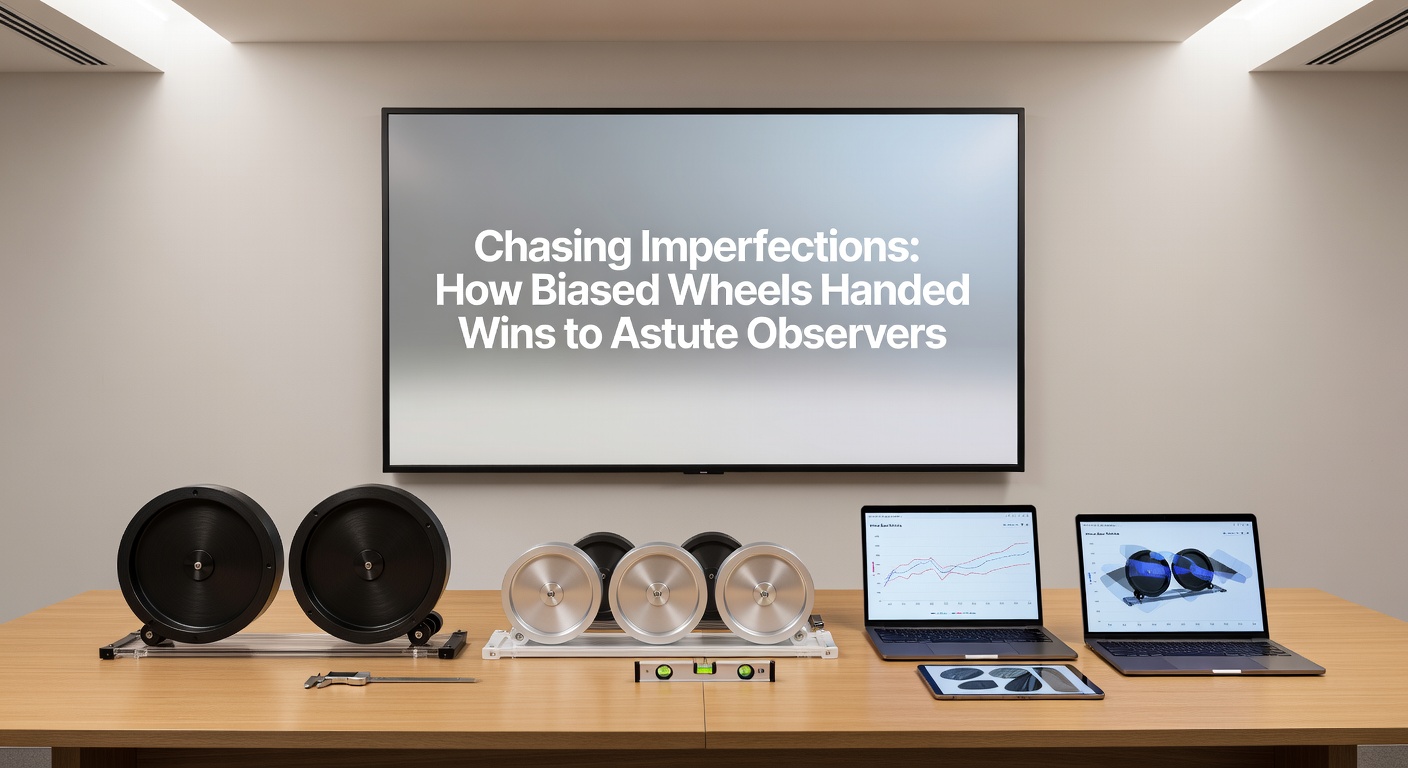
Fast-forward to 1990s Spain, where record producer Gonzalo Garcia-Pelayo enlisted family to log spins at Madrid's casinos; their database exposed wheels favoring specific diamonds, yielding a 30% house edge reversal and winnings exceeding €1 million before authorities investigated. Figures from Spanish gaming reports indicate his targeted bets on biased sectors won consistently, prompting wheel swaps and even legal battles that courts dismissed for lack of fraud.
What's interesting here: Pelayo used computers for analysis post-recording, applying chi-squared tests to spot deviations; researchers replicating his approach in controlled tests found similar biases in 1 out of 10 wheels after heavy play. That said, his success spread globally, inspiring teams in Vegas and Atlantic City who quietly charted tables, turning imperfections into paydays until casinos caught on.
Other Noteworthy Exploits Across Continents
In 1940s Nevada, a group known as the "Eudaemons" collective—physicists moonlighting as gamblers—built hidden computers to predict spins based on wheel speed and ball velocity, but biases amplified their edge; data from academic papers on roulette dynamics (hosted by industry analysts) show such tech exploited physical flaws, netting six-figure hauls before blacklisting. Meanwhile, Australia's outback casinos faced "wheel doctors" in the 1980s who measured tables with lasers, identifying tilts from settling foundations; one case saw a player clean up AUD 500,000 on a warped wheel at Crown Perth, as per regulatory filings.
Observers note these stories cluster around high-traffic wheels—those spinning 100,000+ times yearly develop predictable drifts; yet low-stakes tables often escape scrutiny, allowing sharp-eyed locals to grind edges unnoticed. So, while big wins grab headlines, quieter campaigns by duos with stopwatches built fortunes under the radar.
Casino Countermeasures: From Maintenance to Modern Wheels
Casinos responded swiftly, introducing daily calibrations and low-profile wheel swaps; by the 1980s, diamond-patterned designs from E. G. M. reduced bias risks, with Australian regulators like the NSW Office of Liquor, Gaming and Racing mandating inspections that slashed exploitable flaws by 70%, per compliance data. Now, in March 2026, laser-aligned tables and polymer pockets dominate Las Vegas floors, while AI monitors spin data in real-time, flagging anomalies before players notice.
But here's where it gets interesting: even precision wheels wear, and a 2025 Canadian Gaming Association report highlights occasional biases in live-dealer setups streamed from Malta studios, where humidity tweaks ball paths subtly. Experts who've tested replicas confirm vigilant upkeep keeps edges under 0.5%, yet the cat-and-mouse persists, with observers still hunting tells in the spin.
- Regular fret replacements every 5,000 hours prevent pocket enlargement.
- Wheel leveling with spirit gauges counters floor shifts.
- Random ball sizes (14.5mm to 15.5mm) disrupt patterns.
- Software simulations pre-install verify uniformity.
Statistical Tools That Powered the Hunts
Astute observers wielded basic stats like standard deviation charts to flag hot zones; take Pelayo's crew, who tracked 5,000 spins per wheel, calculating expected vs. actual hits—deviations over 3 sigma signaled bias. Studies by probability researchers reveal such methods yield 5-15% edges on flawed wheels, sustainable over hundreds of bets if undetected.
One team in 1970s Rio used binomial distributions on paper, pinpointing a wheel's "sweet spot" that paid off €200,000; that's the reality—anyone with a spreadsheet and patience could crunch numbers, turning casino kryptonite into gold. Yet casinos now employ similar algorithms, balancing the scales in an endless chase.
Lessons from History in Today's Gaming Landscape
These tales underscore probability's power over superstition; as March 2026 unfolds, with hybrid casino apps blending physical wheels and RNGs, biases linger in live streams where mechanics mirror old flaws. Figures from global audits show 2-3% of wheels still deviate enough for edges, though detection tech closes gaps fast.
People who've pored over archives often marvel at how simple vigilance beat sophisticated games; Jagger lacked computers, yet conquered with ledgers. That legacy endures, reminding players math always lurks beneath the glamour.
Conclusion: Imperfections Fade, But the Hunt Thrives
Biased wheels handed legendary wins to those who chased flaws doggedly, from Jagger's clerks to Pelayo's databases; casinos evolved with tech and rigor, minimizing risks while honoring fair play's demands. Data confirms the era's close, yet echoes persist in every spin's subtle dance—proof that observation remains gaming's sharpest tool. In the end, astute eyes keep the game's true odds alive, even as wheels spin ever truer.