30 Jun 2026
Examining Roulette Wheel Craftsmanship Through Case Studies on Randomness Assurance

Roulette wheel manufacturing demands exacting standards because even minor deviations can introduce bias into outcomes, and case studies from various production facilities illustrate how specific techniques maintain the integrity of randomness required for fair play.
Manufacturers start by selecting materials such as aged mahogany for the bowl and high-grade aluminum alloys for the rotor, while these choices affect durability and resistance to warping over time. Precision machining follows, with computer numerical control equipment carving pocket separators to tolerances measured in fractions of a millimeter, and data from production logs shows that deviations exceeding 0.05 millimeters correlate with measurable outcome clustering in extended testing cycles.
Precision Balancing Procedures in European Facilities
One documented case from a German production site in 2023 revealed how dynamic balancing equipment spins the rotor at speeds up to 3000 revolutions per minute to detect and correct weight imbalances before final assembly, and this step eliminated a previously observed 1.8 percent bias toward certain number sectors that had appeared in prototype wheels. Technicians apply counterweights after laser scanning identifies heavy spots, while subsequent random number distribution tests across 50,000 spins confirmed uniformity within statistical expectations for a fair device.
Another analysis from an Italian workshop highlighted the integration of hand-calibrated frets between pockets, where workers adjust each separator using micrometer gauges rather than automated presses alone. This hybrid approach addressed inconsistencies that arose when relying solely on robotic insertion, and follow-up audits indicated that wheels produced this way maintained random distribution patterns even after 18 months of simulated casino use.
North American Innovations in Material Testing
Facilities operating under oversight from the Nevada Gaming Control Board have adopted ultrasonic scanning to inspect for internal voids in wooden components, and records from 2024 trials demonstrated that undetected flaws previously led to subtle vibrations affecting ball trajectory. By incorporating this non-destructive testing early in the workflow, producers reduced rejection rates while ensuring the wheel surface remained perfectly level, which directly supports the unpredictable path the ball takes before settling.
Research conducted at a Canadian engineering laboratory in partnership with industry partners examined the effects of surface finishing techniques, and their findings indicated that specific polishing compounds create micro-textures that prevent the ball from favoring smoother sectors after repeated contacts. Wheels finished with these methods exhibited no statistically significant deviation from expected probabilities during controlled trials spanning several months.
Quality Assurance Protocols and Their Impact
Case documentation from an Australian supplier in 2025 outlined a multi-stage verification process that includes both automated optical inspection and live spin sampling by independent observers, and this combination caught assembly errors that single-method checks had missed in earlier batches. The protocol requires documentation of every adjustment, which allows traceability when regulators request performance data from deployed wheels.
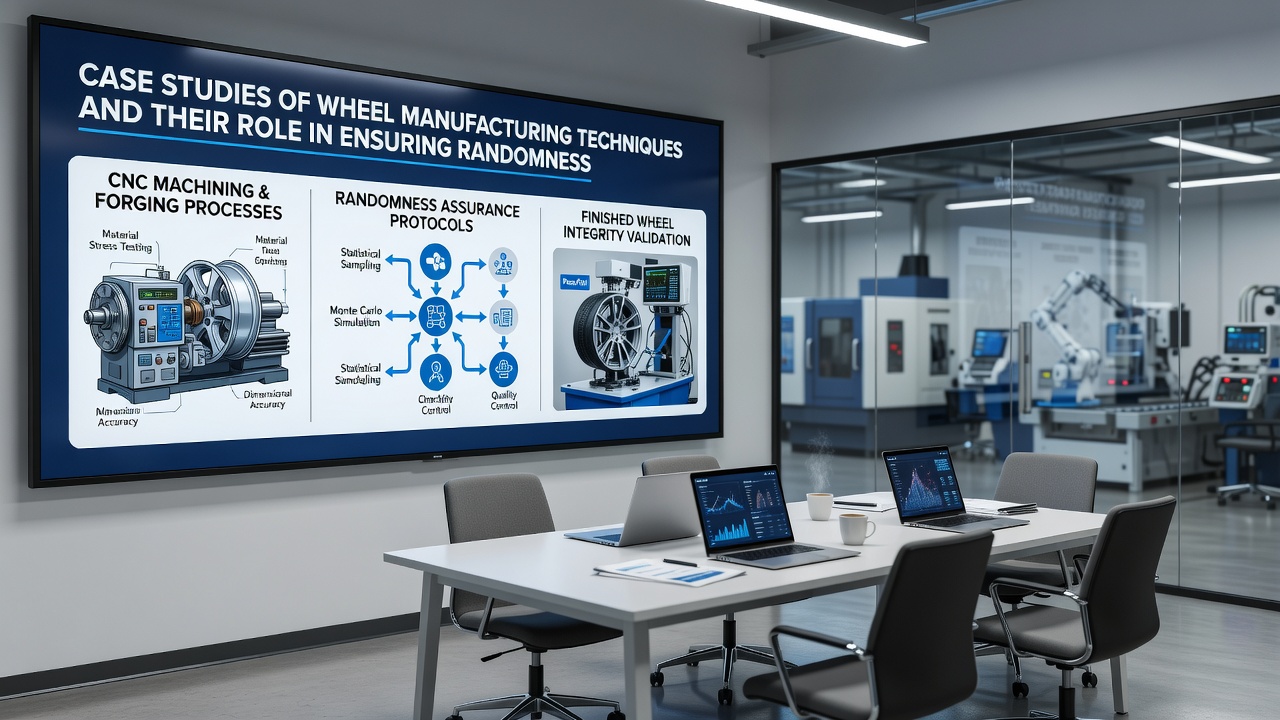
What's interesting here is how these layered checks connect directly to regulatory compliance across jurisdictions, and updates scheduled for implementation in June 2026 by several oversight bodies will require manufacturers to submit digital logs of all balancing and inspection steps for each wheel produced. This shift aims to standardize record-keeping and facilitate quicker identification of any emerging patterns that might compromise randomness.
Additional examples from Asian production lines show the adoption of three-dimensional printing for prototype pocket designs, which allows rapid iteration before committing to full-scale manufacturing runs. Engineers then validate each iteration through thousands of automated spins, and results from these tests feed back into refinements that minimize edge effects where the ball might otherwise catch unevenly.
Conclusion
Case studies across continents demonstrate that roulette wheel randomness depends on integrated manufacturing practices ranging from material selection and precision machining to rigorous balancing and multi-phase testing, while ongoing regulatory developments including those planned for June 2026 continue to reinforce these standards through enhanced documentation requirements. Observers note that facilities maintaining transparent processes consistently produce wheels that align with mathematical expectations for unbiased results, and industry reports from sources such as the Gaming Standards Association along with academic analyses available through National Institute of Standards and Technology publications provide further context on measurement methodologies used to verify performance.