22 May 2026
High-Stakes Roulette Etiquette: Unwritten Protocols for Discreet Table Conduct
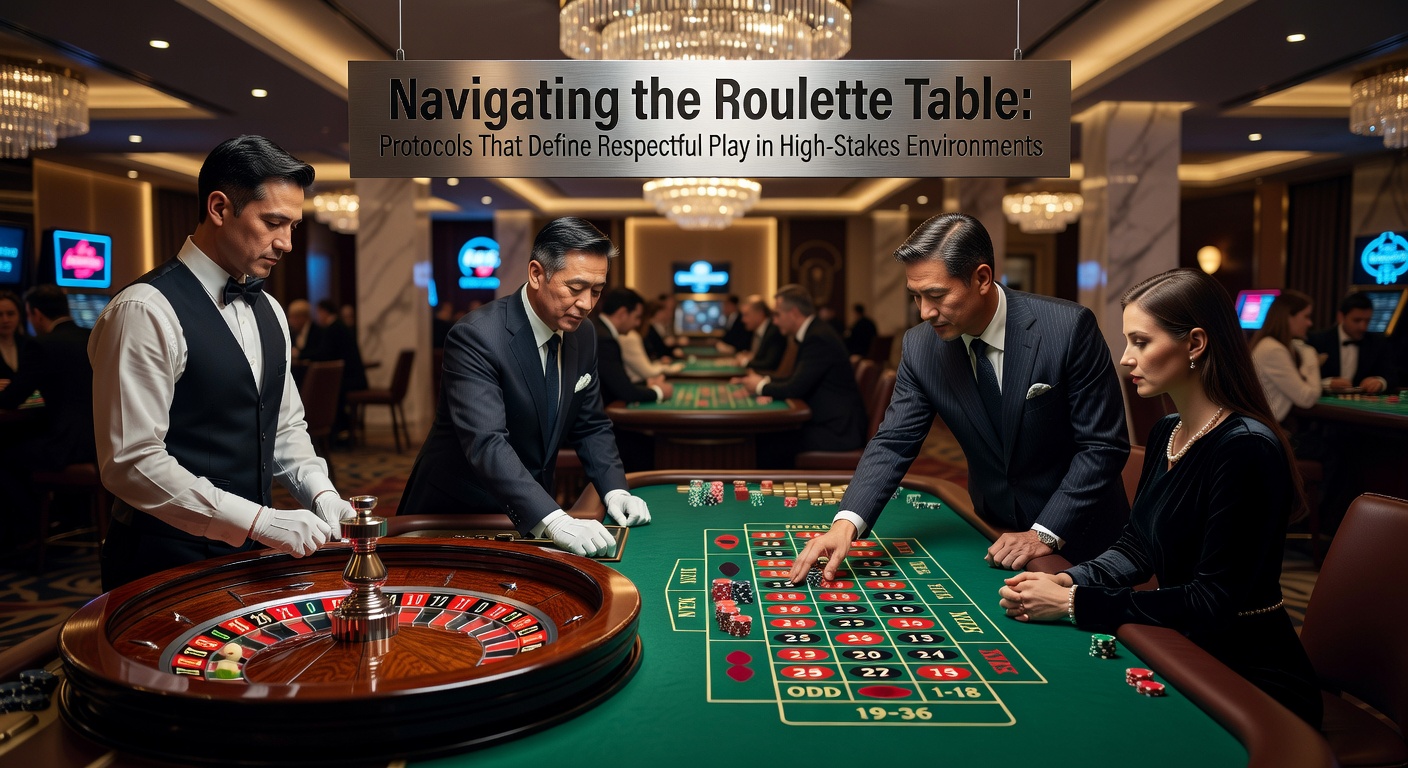
High-stakes roulette environments demand precise adherence to established protocols that maintain order and preserve the integrity of the game, and observers note these standards have evolved alongside regulatory frameworks in major jurisdictions since the early 2000s. Players who frequent VIP salons understand that respectful conduct begins before any wager is placed, as floor supervisors and security teams monitor every interaction to ensure compliance with both house rules and broader gaming statutes. Data from the Nevada Gaming Control Board shows that incidents of disruptive behavior in premium table areas dropped by 18 percent between 2022 and 2025, reflecting stronger emphasis on preemptive etiquette training for both staff and patrons.
Entry into these sections often requires advance arrangement through a casino host, and those arrangements set the tone for subsequent interactions. Guests are expected to arrive in attire that aligns with the venue's dress code, typically including collared shirts and closed-toe footwear for men while women adhere to comparable smart-casual standards. Once seated, players position themselves at a comfortable distance from the wheel and avoid leaning across the layout, actions that dealers interpret as potential attempts to influence the ball's trajectory even when no such intent exists.
Bet Placement and Chip Management Standards
Betting proceeds according to strict sequencing that prevents disputes and keeps the pace consistent across multiple spins. Patrons place chips directly in front of their position rather than reaching into other players' areas, and verbal declarations accompany any large wagers to create an audible record that surveillance cameras can corroborate. Research from the University of Nevada, Las Vegas gaming management program indicates that clear verbal announcements reduce payout errors by nearly 30 percent in high-limit rooms where stakes frequently exceed five thousand dollars per spin.
Handling of chips follows equally precise conventions. Players stack denominations in neat columns and refrain from excessive shuffling or stacking that could obscure values from the dealer or eye-in-the-sky cameras. When additional chips are requested, a simple hand signal or quiet request to the dealer suffices, and the transaction occurs only after the previous round concludes to avoid confusion during active spins.
Interactions with Dealers and Floor Staff
Communication with dealers remains minimal and respectful, limited to bet instructions and polite acknowledgments after each outcome. Observers have documented that prolonged conversations or attempts to engage dealers in personal topics can draw warnings from pit bosses, particularly during peak hours when multiple tables operate simultaneously. Tipping occurs at the conclusion of a session or after significant wins, with chips placed as a separate bet for the dealer rather than handed directly, a practice that satisfies both internal policy and tax reporting requirements in most regulated markets.
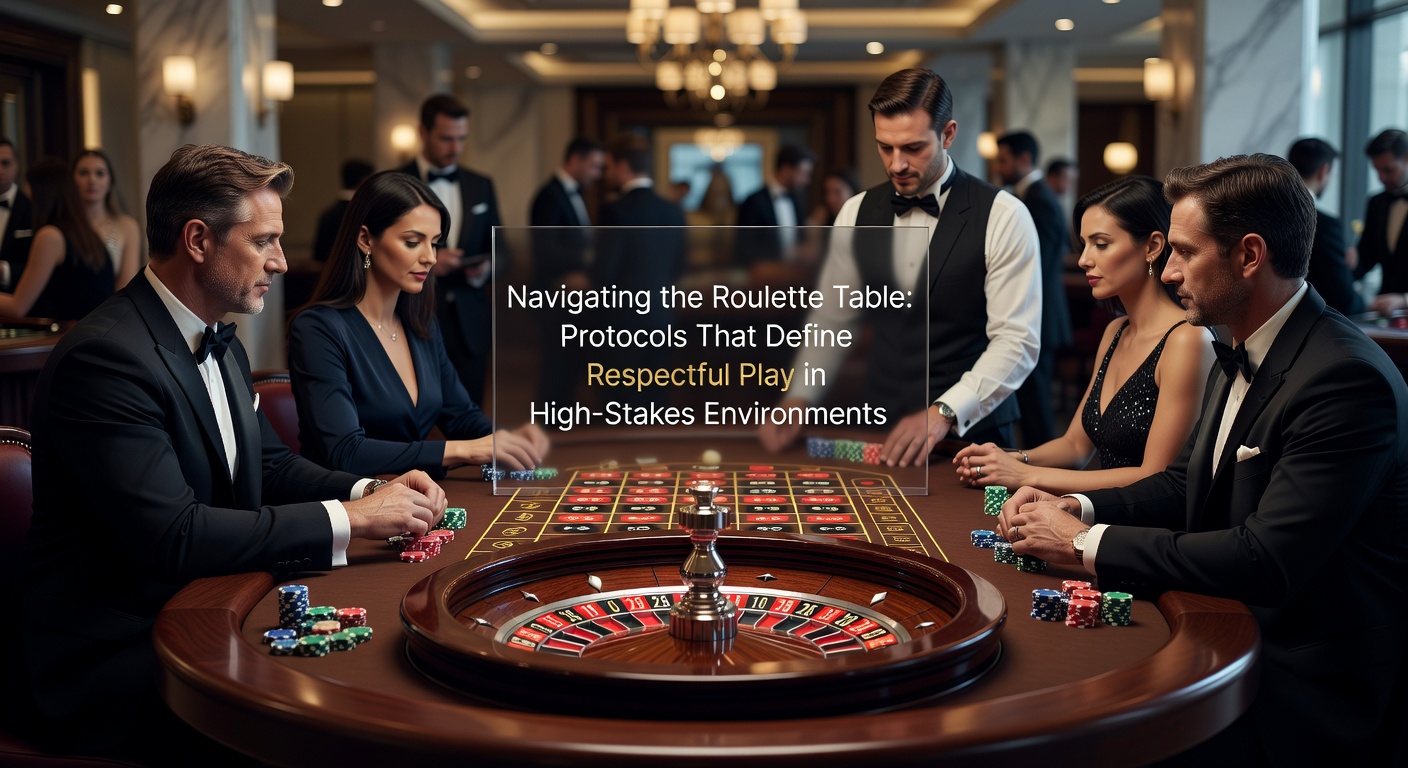
Security protocols intersect with etiquette in noticeable ways. Patrons accept that electronic devices remain prohibited at the table, and any attempt to photograph layouts or record spins triggers immediate intervention by floor security. In May 2026, several major properties in Macau and Singapore are scheduled to introduce updated device-detection systems that align with revised regional gaming ordinances, further reinforcing expectations that players focus solely on the wheel and their own wagers.
International Variations and Cultural Expectations
Protocols differ across geographic regions yet share core principles of restraint and clarity. European properties operating under the Malta Gaming Authority emphasize quieter atmospheres compared with some North American venues, while Australian casinos licensed by state regulators require explicit confirmation of each player's identity before high-limit credit lines are extended. Those differences become evident when international players transition between markets, and experienced hosts brief newcomers on local nuances to prevent unintentional breaches.
Observers note that maintaining composure after losses constitutes one of the most visible markers of seasoned participants. Outbursts, repeated questioning of outcomes, or aggressive gestures toward staff violate the implicit contract that allows everyone at the table to continue play without distraction. Casinos maintain the right to revoke access, and records from the Canadian Gaming Association show that repeated etiquette violations account for the majority of permanent exclusions in premium gaming salons.
Conclusion
Respectful play in high-stakes roulette ultimately rests on consistent observation of both written rules and unwritten expectations that protect the experience for all participants. Regulatory bodies across multiple continents continue to refine guidelines that balance operational efficiency with player dignity, and adherence to these standards ensures continued access to environments where stakes and scrutiny remain elevated. Players who internalize these protocols contribute to smoother sessions while demonstrating the restraint that defines professional conduct at the wheel.