31 Jul 2026
Identifying Wheel Biases Through Observation in Live Casino Roulette
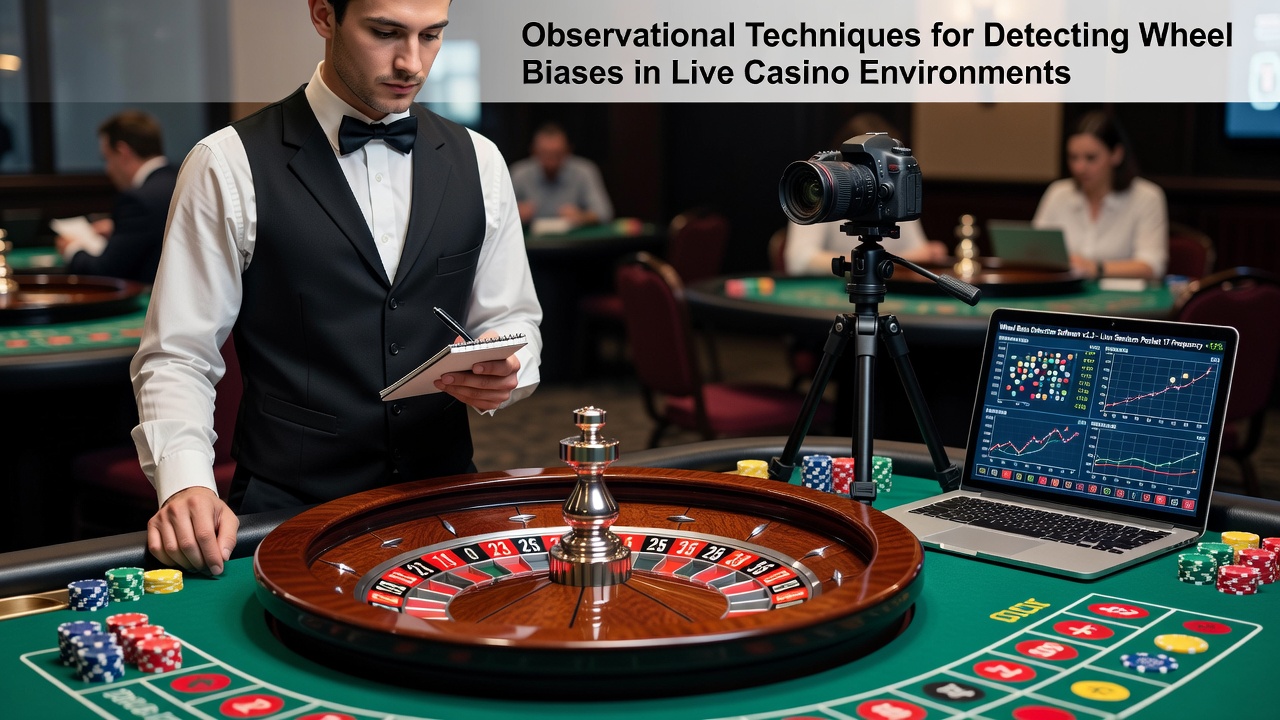
Casino environments rely on physical roulette wheels that experience gradual wear from constant use, and observers have documented cases where such degradation leads to measurable biases in ball landing patterns. Research from gaming laboratories shows that these imbalances often appear in specific wheel sectors after thousands of spins, prompting trained personnel to monitor outcomes systematically over extended periods. Data collected in July 2026 at several international venues indicated that early detection through structured observation reduced potential losses by identifying irregularities before they became statistically significant.
Core Principles Behind Bias Detection
Wheel biases develop when components such as the frets, pockets, or rotor bearings lose uniformity, and observers track these changes by recording the ball's drop point relative to the wheelhead position across hundreds of spins. Studies conducted at research institutions reveal that consistent deviations from random distribution can emerge when a wheel deviates by as little as two millimeters in pocket depth, allowing personnel to log sequences and calculate frequency rates without interrupting gameplay. Those who study these patterns note that combining visual inspection with timing measurements provides clearer indicators than relying on either method alone.
Practical Observation Protocols Used by Casino Teams
Teams typically begin by selecting a target wheel and logging results over multiple sessions, noting the ball's final sector alongside the wheel's orientation at release. This approach connects physical variables such as spin speed and deceleration rates to outcome clusters, while electronic timing devices capture data that manual notes might miss. Experts have observed that rotating observers every few hours maintains accuracy and prevents fatigue from skewing records, and cross-verification between multiple staff members strengthens the reliability of collected figures.
One documented case involved a European facility where repeated sector hits prompted further mechanical examination, leading to the replacement of worn components before regulatory thresholds were reached. Such examples demonstrate how observational routines integrate with routine maintenance schedules rather than replacing them.

Tools and Technologies Supporting Human Observation
Modern setups pair traditional logging sheets with software that processes spin data in real time, highlighting emerging patterns through statistical overlays. Reports from the Nevada Gaming Control Board outline requirements for audit trails that include both automated logs and manual verification steps, ensuring that any flagged wheel undergoes physical checks. Observers combine these digital aids with direct measurement of wheel level and pocket spacing, creating layered datasets that regulatory bodies can review during compliance inspections.
Industry organizations such as the European Gaming Standards Association have published guidelines that emphasize training observers to recognize subtle cues like irregular ball bounce or altered rotor resistance, and these programs stress the importance of consistent methodology across shifts. When applied correctly, the combination of human judgment and supporting technology produces records that withstand scrutiny from external auditors.
Regulatory Context and Industry Standards
Authorities in regions including Australia and Canada require casinos to maintain documented observation programs for live table games, with thresholds for intervention based on statistical deviation metrics. Figures from the Australian Communications and Media Authority show that facilities conducting regular bias checks report fewer mechanical failures during peak operating hours. These standards encourage transparent reporting so that both operators and oversight bodies can track wheel performance trends over months rather than isolated sessions.
Academic papers from gaming research centers further support the value of long-term observational records, noting that biases rarely appear suddenly and instead accumulate through predictable wear patterns. Personnel who follow established protocols therefore focus on continuity in data collection to capture these gradual shifts accurately.
Conclusion
Observational techniques for detecting wheel biases rest on systematic recording, cross-verification, and integration with mechanical inspections, all supported by regulatory frameworks from multiple jurisdictions. Data gathered through these methods informs maintenance decisions and helps maintain game integrity across live casino floors. As equipment ages and operational demands increase, the disciplined application of observation protocols remains a core component of casino oversight practices worldwide.