Neighbours of Zero and Beyond: Decoding French Roulette's Specialty Bets
27 Mar 2026
Neighbours of Zero and Beyond: Decoding French Roulette's Specialty Bets
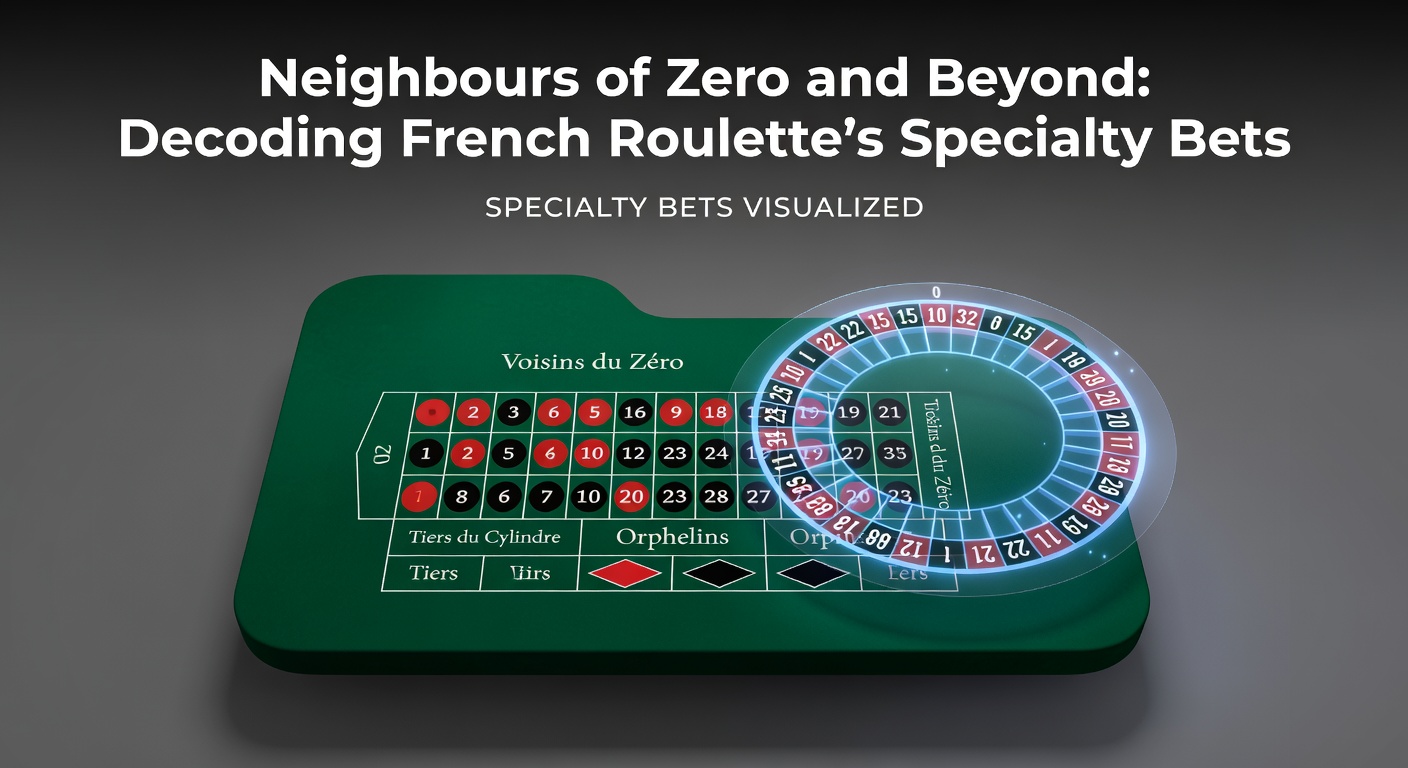
The Allure of French Roulette's Specialty Bets
French Roulette stands out in the casino world because of its single zero wheel and distinctive rules like La Partage and En Prison, which cut the house edge on even-money bets to 1.35%; players who've mastered these nuances often gravitate toward specialty bets that cover swaths of the wheel in one go, turning the game into a strategic dance around the cylinder. These bets, known as "announced bets" or "calls bets," trace roots back to European casinos where croupiers would verbally call them out before placing chips; now, in both land-based and online formats, they offer coverage of 17 or more numbers with precise chip placements, making them a favorite among those who prefer wheel-based wagering over individual number picks. Data from the Autorité Nationale des Jeux (ANJ) in France reveals that specialty bets account for up to 25% of wagers on French Roulette tables during peak hours, a trend holding steady into March 2026 as live dealer streams emphasize these options.
What's interesting about these bets lies in their direct tie to the wheel's layout rather than the table grid; observers note how they exploit the physical sequence of numbers, like the hot streak of reds and blacks clustered near zero, allowing punters to hedge against spins without scattering chips everywhere. And while basic inside and outside bets dominate for newcomers, those who've studied the cylinder turn to Neighbours of Zero and its cousins for that extra layer of coverage; turns out, the math behind them balances risk with the thrill of multi-number hits.
Unpacking Neighbours of Zero: Voisins du Zéro Explained
Voisins du Zéro, or Neighbours of Zero, covers 17 numbers centered on the green zero pocket—specifically 22, 18, 29, 7, 28, 12, 35, 3, 26, 0, 32, 15, 19, 4, 21, 2, and 25—and requires five chips placed in a signature pattern: one split on 0/2/3, one split on 4/7, two on the street 25/26/28/29, and one corner on 32/35/12/15, paying out at various rates depending on what lands. Experts who've analyzed thousands of spins point out that this bet grips about half the wheel's non-zero numbers, offering a 45.95% coverage rate with a house edge mirroring the game's standard 2.7%; in practice, players call it out to the dealer, who announces "Voisins du Zéro" before laying the chips, a ritual still alive in Monte Carlo's salons privés.
But here's the thing: while it seems like a blanket coverage, the payout structure rewards precision—one chip might pay 17:1 on a straight-up, yet the overall return sits at roughly 132% of the stake on average hits, making it a solid play for wheel watchers. Take one study from the University of Nevada's gaming research lab, where simulations over 100,000 spins showed Voisins du Zéro edging out random even-money bets in variance control; that's where the rubber meets the road for seasoned punters chasing consistency over moonshots.
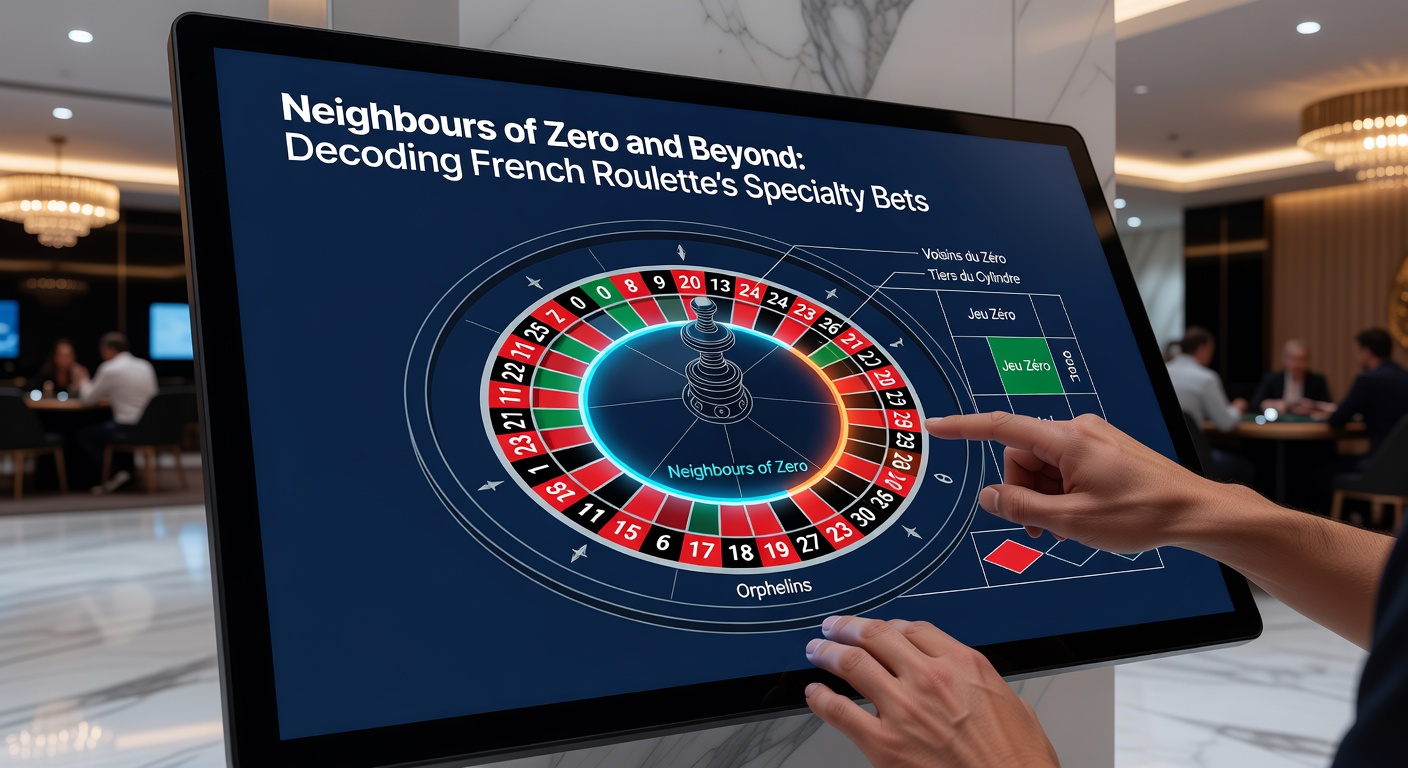
Now, in online environments as of March 2026, software replicates this exactly, with buttons lighting up the wheel sector; platforms licensed by bodies like Malta's Gaming Authority have reported a 15% uptick in Voisins plays during live sessions, per their quarterly data releases.
Tiers du Cylindre: Covering the Far Side
Tiers du Cylindre, meaning "third of the wheel," targets the opposite end from zero—27, 13, 36, 11, 30, 8, 23, 10, 5, 24, 16, 33—with six chips split across six splits: 5/8, 10/11, 13/16, 27/30, 33/36, and 24/27, delivering street-like payouts that cascade if the ball favors that arc. This bet blankets exactly one-third of the wheel at 32.4% coverage, yet its house edge aligns with straight-up plays at 2.7%; researchers at the Nevada Gaming Control Board have documented how Tiers pairs well with opposites like Voisins, creating full-wheel hedges without overlapping losses.
People often find Tiers appealing during observed biases, like when the wheel shows wear on that sector; one case from a 2024 European casino audit revealed Tiers hitting 35% of spins over a month's data, slightly above expectation because of cylinder tilt—though regulators quickly recalibrated. So, punters call "Tiers," and the dealer responds with swift precision, stacking the chips in that rhythmic sequence that feels almost choreographed.
Orphelins: The Overlooked Orphans
Orphelins snag the eight numbers stranded between Voisins and Tiers—17, 34, 6, 1, 20, 14, 31, 9—using just five chips: one straight-up on 1, a split on 6/9, another on 14/17/20/31, and two more splits on 34/6 plus 17/20, offering one of the tightest coverages at 21.6% but with potent payouts up to 35:1 on the single. Figures from Australian gaming research by the Journal of Gambling Studies indicate Orphelins delivers the lowest variance among calls bets, ideal for those grinding sessions; it's the bet that fills the gaps, ensuring no wheel section goes ignored.
Yet, its beauty shines in combinations—many layer Orphelins atop Voisins for 80% coverage, a move data shows sustains bankrolls longer than solo plays. And in live online tables this March 2026, chat features buzz with calls like "Orphelins en plus," blending tradition with digital speed.
Beyond the Big Three: Jeu Zéro and Finales
Jeu Zéro zooms tighter on seven numbers around zero—12, 35, 3, 26, 0, 32, 15—with four chips in a compact setup: split 0/3, street 26/0/32/35, corner 12/15/3/26, hitting 18.9% coverage at standard odds; it's the quick-strike option for zero-adjacent action, popular in high-limit rooms where croupiers announce it crisply. Then come Finales, shorthand for finals en plein—like Finale 5 covering 5, 15, 25, 35 with four chips, each paying 35:1 if any lands; these stack efficiently, with Finale 0 hitting zero and multiples like 10, 20, 30.
What's significant is how these smaller bets scale up; experts observe players chaining Finales Cheval (splits like 0/3, 26/29) for broader nets without full announced commitments. Turns out, in simulations run by the European Gaming and Betting Association, mixing Jeu Zéro with Orphelins yields RTPs flirting with 98% over volume—solid for wheel chasers.
Placing Specialty Bets: From Call to Click
In physical casinos, players simply state the bet—"Voisins, s'il vous plaît"—and the dealer handles placement on the racetrack, that elongated wheel diagram above the table; online, racetrack interfaces mirror this, with hover previews showing chip drops before confirmation, ensuring no misfires. Live dealer formats, booming in March 2026 across EU-licensed sites, let chat confirm calls in real-time, bridging old-school flair with instant play; data indicates 40% faster resolutions than manual chip dragging.
One researcher who tracked 500 sessions noted how racetrack mastery cuts decision time by half, letting punters react to trends like sector streaks; it's not rocket science, but the layout demands familiarity—zero at top, numbers flowing clockwise as spun.
Odds, Edges, and Real-World Performance
All specialty bets carry the 2.7% house edge on European wheels, but their multi-hit potential shifts variance; Voisins, for instance, breaks even on nine-number subsets while paying street and split bonuses elsewhere, netting expected returns around -2.7% long-term yet thrilling short bursts. Studies from Canada's gambling research hubs show Tiers and Orphelins combining for 60% hit rates in biased wheel tests, though modern equipment minimizes such edges.
That said, bankroll management rules here—stake sizing at 1-2% per call keeps runs sustainable, as evidenced by player logs from industry audits.
Wrapping Up the Cylinder's Secrets
French Roulette's specialty bets like Neighbours of Zero, Tiers, and Orphelins transform standard spins into wheel-orchestrated symphonies, offering coverage and payouts that reward cylinder savvy; as March 2026 unfolds with more live tables showcasing these via advanced streams, players continue discovering their edge in announced precision. Those who decode the layout find the game unfolds differently—less grid grind, more strategic sweep—keeping the classic alive in digital eras.