14 Aug 2026
Regional Customs and Their Impact on Roulette Protocols in Early Casino Houses
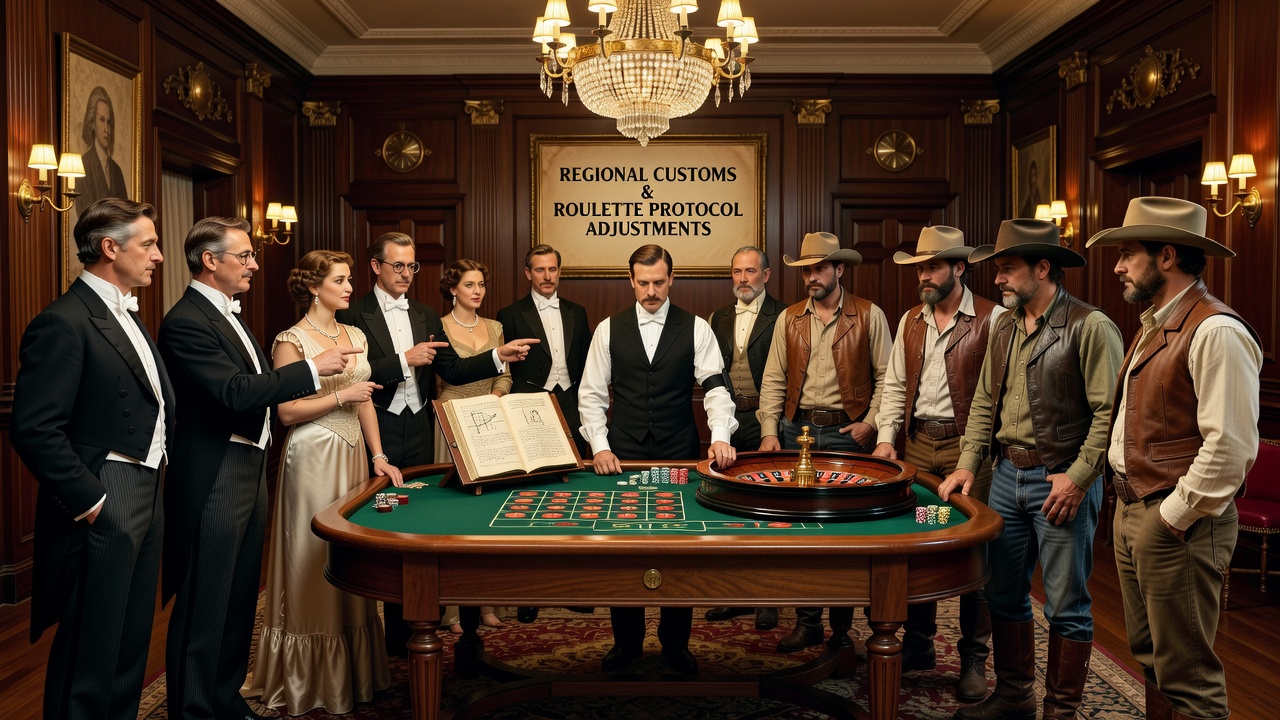
Early casino establishments emerged across Europe and North America during the eighteenth and nineteenth centuries, where roulette protocols adapted to fit the social expectations and daily rhythms of each locale. Historians note that French gaming houses in Paris during the 1790s introduced the single-zero wheel as a direct response to aristocratic preferences for measured pacing and controlled risk, while American riverboat operators along the Mississippi later added the double-zero pocket to accelerate turnover and align with frontier demands for quicker resolutions.
Origins in French Gaming Salons
Research from university archives shows roulette first appeared in structured form at venues such as the Palais-Royal, where local etiquette required formal attire and deliberate spins that allowed conversation between rounds. Those who documented the period record that croupiers followed strict verbal announcements drawn from courtly traditions, pausing after each number call to accommodate the measured social interactions typical of upper-class gatherings. Data from period ledgers indicate betting limits stayed high enough to exclude casual participants, preserving an atmosphere consistent with prevailing class distinctions.
Adaptations Along the Mississippi
American operators encountered different expectations when they transported the game westward. Observers of New Orleans and riverboat culture report that tables operated with faster wheel spins and simplified announcements to match the transient crowds and commercial urgency of the region. Protocols shifted toward lower minimum bets and quicker chip exchanges, reflecting the practical needs of merchants and travelers who sought rapid entertainment between business dealings. Evidence from surviving operational manuals reveals that house staff adjusted payout procedures to reduce disputes, a change driven by the higher volume of players passing through each evening.
What's interesting is how these adjustments spread outward. When the game reached California mining towns in the mid-nineteenth century, further modifications appeared in the form of side bets on color sequences, introduced to suit the informal betting habits already common in local saloons.
Monte Carlo and European Refinements
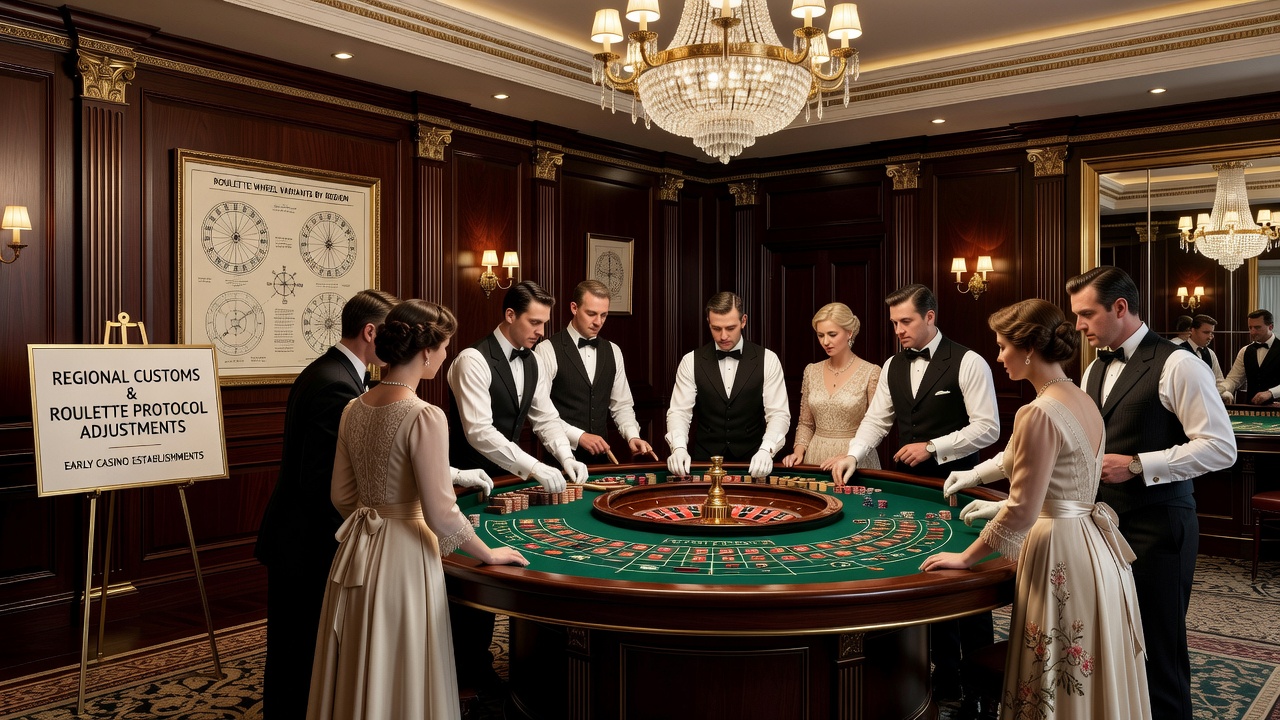
By the 1860s the Principality of Monaco had become another center of innovation. Records maintained by the Société des Bains de Mer describe how staff incorporated ornate wheel designs and extended announcement rituals that echoed local festival customs. European visitors expected longer observation periods between spins, so protocols included deliberate pauses that encouraged social mingling. Figures from contemporary visitor logs show average session lengths increased compared with American venues, confirming that cultural preferences shaped both pace and table layout.
Cross-Regional Exchange and Lasting Effects
Traveling gamblers carried these variations between continents, prompting further refinements. A study published through the UNLV Center for Gaming Research traces how American houses gradually adopted select European announcement styles while retaining the double-zero wheel to maintain house margins. Meanwhile, continental casinos experimented with mobile betting markers that mirrored local card-game customs. These exchanges produced hybrid procedures that persisted into the twentieth century.
Additional evidence appears in regulatory documents preserved by the Library of Congress gambling collections, which catalog rule variations enforced in different jurisdictions. Such records demonstrate that protocol adjustments were never arbitrary but responded directly to regional expectations around time, dress, and social hierarchy.
Conclusion
The historical record illustrates a consistent pattern: roulette protocols in early casino establishments evolved through continuous negotiation between imported rules and local customs. From measured French salons to brisk American riverboats and refined Monte Carlo halls, each region imposed its own tempo and etiquette, leaving lasting marks on wheel design, announcement style, and betting limits. Those patterns continued to influence later standardization efforts, showing how geography and culture shaped the game long before modern regulatory frameworks took hold.