Roulette Battlegrounds: High-Roller Tourney Structures, Stack Showdowns, and Jaw-Dropping Jackpots
14 Apr 2026
Roulette Battlegrounds: High-Roller Tourney Structures, Stack Showdowns, and Jaw-Dropping Jackpots

The Rise of Roulette in Competitive Play
Competitive roulette has surged in popularity over the past decade, transforming a game once seen as pure chance into structured showdowns where skill in bankroll management and timing edges out luck; tournaments draw crowds to casinos worldwide, from Las Vegas showrooms to European riverboats, packing venues with spectators betting on players' fates. Organizers report entry numbers climbing steadily, with events like those hosted by major resorts pulling in hundreds per session, and data from the Nevada Gaming Control Board indicates licensed roulette tourneys generated over $50 million in prize pools across U.S. states in 2025 alone. What's interesting is how these events blend casino classics with poker-style competition, keeping players glued to seats for hours while blind levels escalate tension.
And yet, beneath the glamour, formats vary wildly depending on the venue; some stick to freezeouts where one bust means one out, whereas others allow rebuys that turn early stumbles into comeback stories. Players who've mastered these nuances often dominate leaderboards, turning modest buy-ins into life-changing sums, as seen in recurring series at Atlantic City properties.
Decoding Tournament Formats: From Sit-n-Gos to Multi-Table Marathons
Sit-n-go tournaments kick off as soon as tables fill, offering quick thrills in 30-60 minute bursts ideal for high-rollers squeezing action between bigger bets; these formats suit online platforms too, where software shuffles virtual wheels and tracks stacks in real-time. Scheduled events, on the other hand, build hype with fixed start times and massive fields, sometimes spanning days with hundreds advancing through qualifiers—think WSOP-style prelims but for the wheel.
Freerolls open doors for qualifiers without upfront cash, drawing amateurs who parlay free chips into paid seats, while satellites feed winners into main events; one observer noted how a Canadian freeroller chain-won satellites to snag a spot in a $1 million guaranteed tourney last year. Multi-table setups ramp up drama, as players rotate wheels under dealer supervision, with electronic leaderboards flashing chip counts live; blind structures start slow, say 15-minute levels at 100/200, then accelerate to 5-minute sprints near the bubble, forcing all-ins on even-money bets.
Hybrid formats mix it up further, incorporating side bets or power-ups like double-wheel spins during finales, and figures from the Alcohol and Gaming Commission of Ontario reveal such innovations boosted participation by 40% in regulated Canadian events through 2025. Turns out, venues experiment constantly to keep fields fresh, balancing pace with payout appeal.
Chip Wars: Buy-Ins, Rebuys, and Stack-Building Battles
At the heart of every rumble lies the chip war, where starting stacks—often 10,000 to 50,000 units—become weapons in a grind against escalating blinds; buy-ins range from $100 nosebleeds to $50,000 whale specials, with add-ons letting short stacks reload mid-event for fresh ammunition. Rebuy periods, typically the first hour or two, see aggressive play as players double up or bust repeatedly, swelling prize pools by 50-200% in some cases; one study from a gaming research institute highlighted how rebuy-heavy formats favor variance chasers who thrive on volatility.
Stack management turns pivotal here, with pros nursing middling piles through bubbles while bullies apply pressure on shorties; observers have clocked leaders averaging 5x average stacks by final tables, parlaying selective outside bets into survival edges. And in April 2026, look for the Monte Carlo High-Rollers Series rebooting with a $250,000 buy-in capstone, where organizers promise unlimited rebuys fueling a projected $10 million pot—early registrations already hit 150, signaling another chip frenzy.
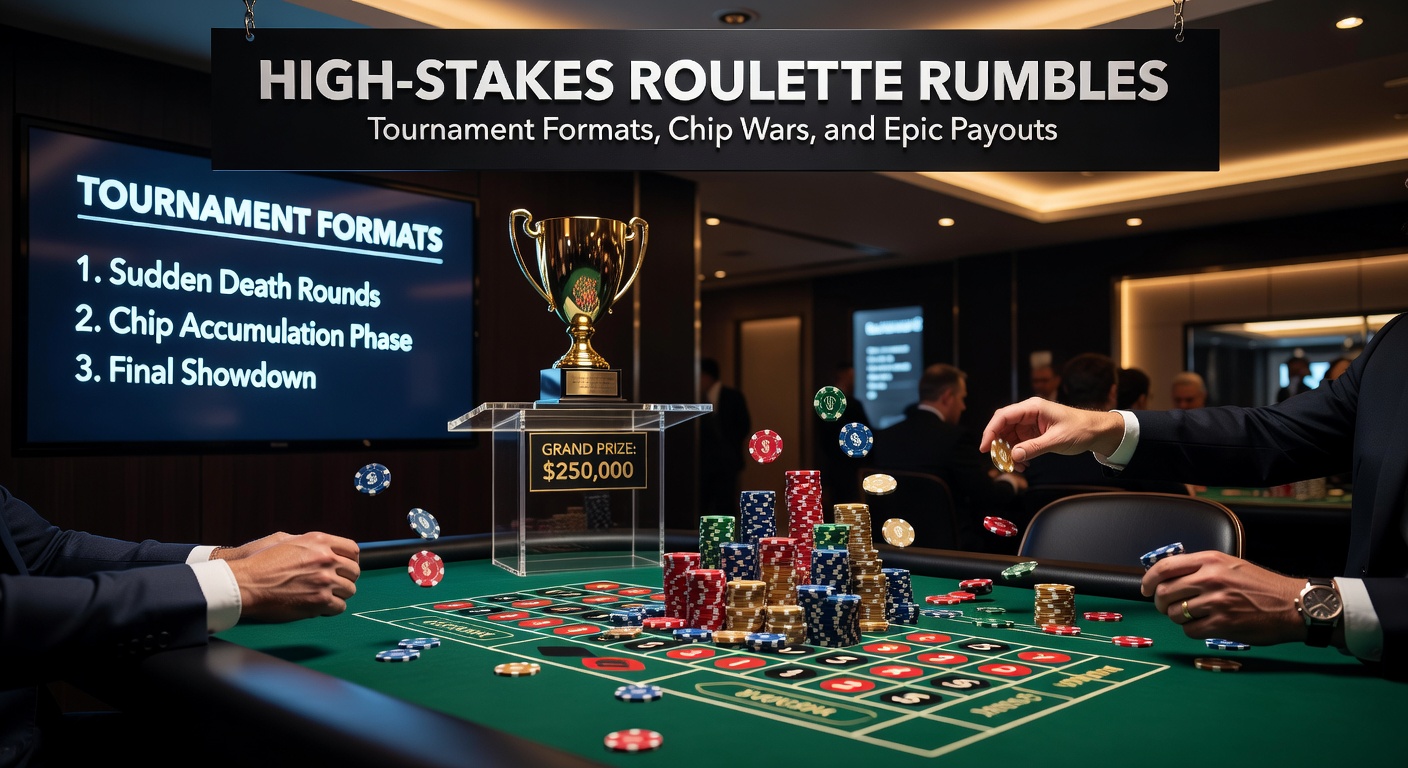
But here's the thing: add-ons post-rebuy keep deep runs viable, often structured as 50% stack boosts for a fee, and data shows events with these options payout more evenly across top 10%, reducing top-heavy skews. Players trade stories of epic stack swings, like the Aussie who turned a 2,000-chip desperate all-in on black into a 100,000 lead, bubbling foes left and right.
Epic Payouts: Structures That Deliver Millionaire Makers
Payouts crown the chaos, with flat structures divvying 100% of the pool equally among survivors, though winner-takes-most ladders dominate—top prize often 30-50% of total, trickling down to min-cashes at 10th; one landmark event in Vegas dished $2.4 million to the champ from a $5,000 buy-in field of 500, per official tallies. Progressive jackpots layer on extras, triggered by final-table feats like unbroken even-money streaks, pushing totals into eight figures occasionally.
Guaranteed overlays lure fields when entries fall short, ensuring minimum pots regardless, and industry reports note these boosted average first-place hauls to $750,000 across major circuits by late 2025. What's significant is regional twists: Aussie events favor flatter pays for broader appeal, while EU tourneys chase bad beat bonuses on bustouts, adding insurance layers pros exploit.
Take the 2024 Rio Showdown, where a Brazilian grinder navigated a 1,200-entry gauntlet to claim $1.8 million, his stack ballooning via timely column covers amid blind explosions; such tales fuel hype, with April 2026's Sydney Harbour Classic eyeing a $3 million guarantee, slots filling fast via online qualifiers. Yet bubbles burst dreams too, as near-misses console with 1-2% min-cashes that still dwarf single-session wins.
Global Hotspots and Emerging Trends
Las Vegas remains kingpin, hosting year-round spectacles at Bellagio and Wynn, but Macau's resurgence packs 1,000+ fields into opulent halls; European circuits, from Baden-Baden to London's Hippodrome, blend live and hybrid online feeds for global viewers. Online platforms mirror this, with apps simulating multi-table action via RNG wheels certified for fairness.
Trends point to crypto buy-ins and NFT prizes experimenting in offshore spots, although regulated markets stick to fiat; researchers tracking participation find women comprising 25% of fields now, up from 10% a decade ago, drawn by skill-based overlays. And now, with April 2026 calendars filling—think the Dubai Desert Duel launching mid-month with $4 million at stake—expect VR integrations letting remote players "sit" at tables, blurring lines further.
Security measures evolve too, from RFID chips tracking stacks to AI spotting collusion, ensuring clean play; one case saw organizers disqualify a ring mid-event for wheel-peeking signals, underscoring stakes in these battlegrounds.
Wrapping the Wheel: What Sets These Rumbles Apart
Roulette tournaments stand out by compressing chance into competitive frameworks, where format choices, chip maneuvers, and payout math dictate destinies more than isolated spins ever could; data underscores their growth, with global prize pools topping $200 million annually and climbing. Players entering these arenas find not just jackpots, but battle-tested tales that echo long after the final all-in.
So as April 2026 unfolds with fresh lineups, from Monte Carlo's elite clashes to Sydney's sunny fields, the wheel keeps turning—drawing sharper stacks, bolder bets, and ever-bigger bounties into the fray.