23 Jun 2026
Roulette Mechanics Intersecting with Worldwide Cultural Evolutions in Casino Environments

Roulette operates through a spinning wheel divided into numbered pockets along with a small ball that lands in one of them after the wheel slows, and this core mechanic has adapted in response to regional preferences and societal changes over centuries. European versions feature 37 pockets including a single zero while American variants add a double zero to reach 38 pockets, and these structural differences trace back to distinct historical developments in France and the United States respectively.
Historical Foundations and Early Adaptations
Mechanics such as the layout of the betting table and payout ratios emerged in 18th century Europe where French aristocrats refined the game from earlier Italian and English predecessors, yet cultural demands for fairness prompted adjustments like the single zero to maintain house edges around 2.7 percent. Data from gaming archives indicate that these modifications spread through colonial trade routes and influenced casino designs in new territories where local customs altered how players approached risk and social interaction at the table.
Observers note that in Asia the introduction of roulette during the 20th century coincided with growing interest in Western entertainment forms, and mechanics such as neighbor bets gained traction because they aligned with group-oriented decision making common in certain societies. Research from academic institutions shows participation rates rising steadily as casinos incorporated visual elements like elaborate wheel designs that resonated with symbolic traditions around luck and fate.
Regional Variations Driven by Cultural Norms
Casinos in North America emphasize faster rounds and higher volume betting options which reflect broader societal values around efficiency and entertainment pacing, whereas many European establishments retain slower gameplay that encourages prolonged social engagement. Australian regulatory reports highlight how local operators modified roulette interfaces to include electronic displays that cater to multicultural player bases drawn from immigrant communities, and these updates preserve traditional wheel physics while integrating digital tracking for transparency.
In regions across the Middle East and parts of Africa, roulette appears in luxury resort settings where cultural sensitivities around gambling lead to private tables and modified dress codes that blend with established hospitality practices. Figures from international industry associations reveal that such adaptations have sustained steady growth in visitor numbers even as broader economic factors fluctuate.
Technological Integration and Modern Shifts
Online platforms have introduced live dealer streams and random number generators that replicate physical wheel mechanics, yet cultural preferences continue to shape interface designs with some markets favoring minimalist layouts while others incorporate vibrant animations tied to local festivals. Projections for June 2026 point to expanded use of augmented reality features in Asian markets where mobile adoption rates already exceed 70 percent according to regional technology analyses, and these tools allow players to interact with virtual wheels that mirror real world physics more closely than earlier software versions.
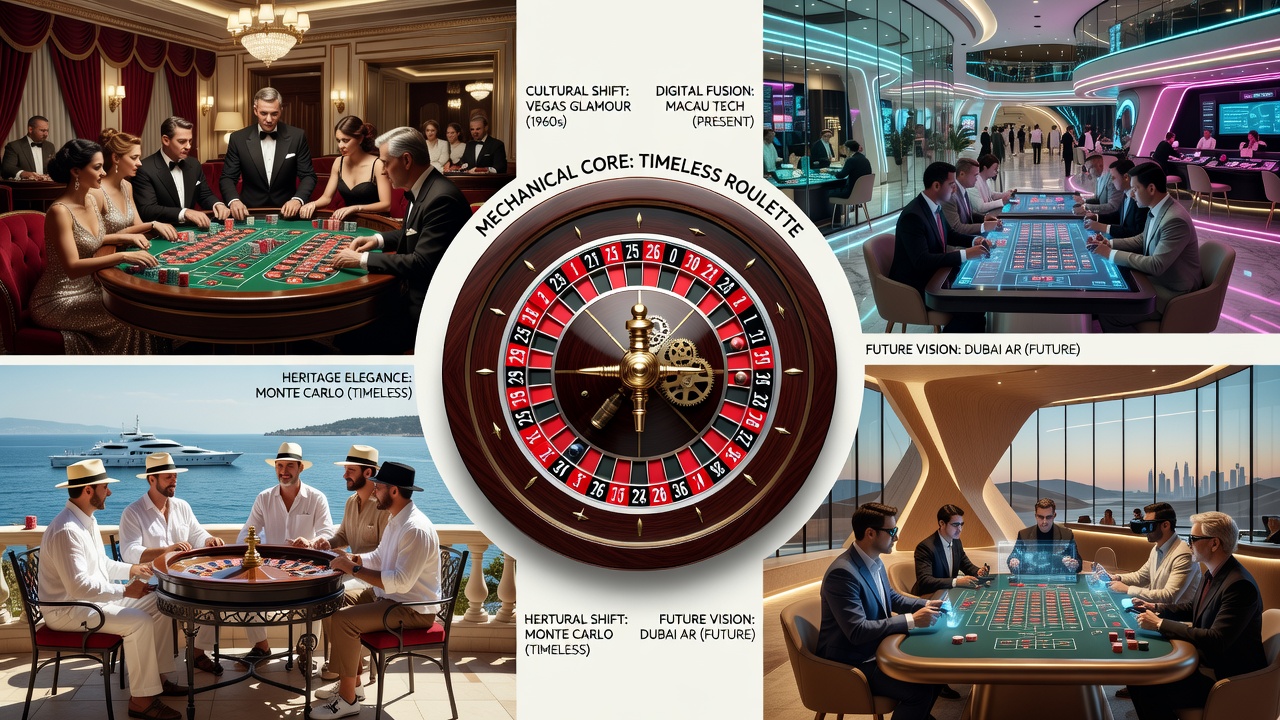
Regulatory bodies such as the Nevada Gaming Control Board have documented how integrated systems now monitor wheel biases in real time to ensure compliance, and similar frameworks in Canadian provinces demonstrate how data collection aligns with public expectations for responsible operation. Industry organizations like the European Gaming and Betting Association report that cross border player behaviors influence mechanic tweaks such as adjustable spin speeds that accommodate different comfort levels with pace and tension.
Future Trends Leading Into 2026
Academic studies from research centers in Australia indicate that cultural attitudes toward technology will drive further hybridization where physical casinos adopt hybrid tables combining mechanical wheels with digital overlays for statistics and history tracking. These developments respond to player feedback patterns observed in diverse demographics and maintain the random outcomes central to the game's appeal while addressing evolving social contexts around accessibility and inclusivity.
What's interesting is how betting limits and table minimums adjust seasonally in response to tourism flows from specific cultural groups, and government agencies in multiple jurisdictions track these patterns to balance revenue generation with consumer protection measures. Data shows consistent correlations between economic indicators and roulette variant popularity across continents, underscoring the mechanic's flexibility amid shifting global dynamics.
Conclusion
The mechanics of roulette continue to evolve alongside cultural transformations as casinos worldwide refine wheel designs, table layouts, and delivery methods to suit regional expectations. Evidence from regulatory records and industry analyses confirms that these adjustments sustain the game's relevance without altering its fundamental randomness, and ongoing monitoring through 2026 will likely reveal additional integrations shaped by technological and societal developments in varied locations.