12 Jun 2026
Roulette's Hidden Histories: The Players Who Turned Tables in Unexpected Ways
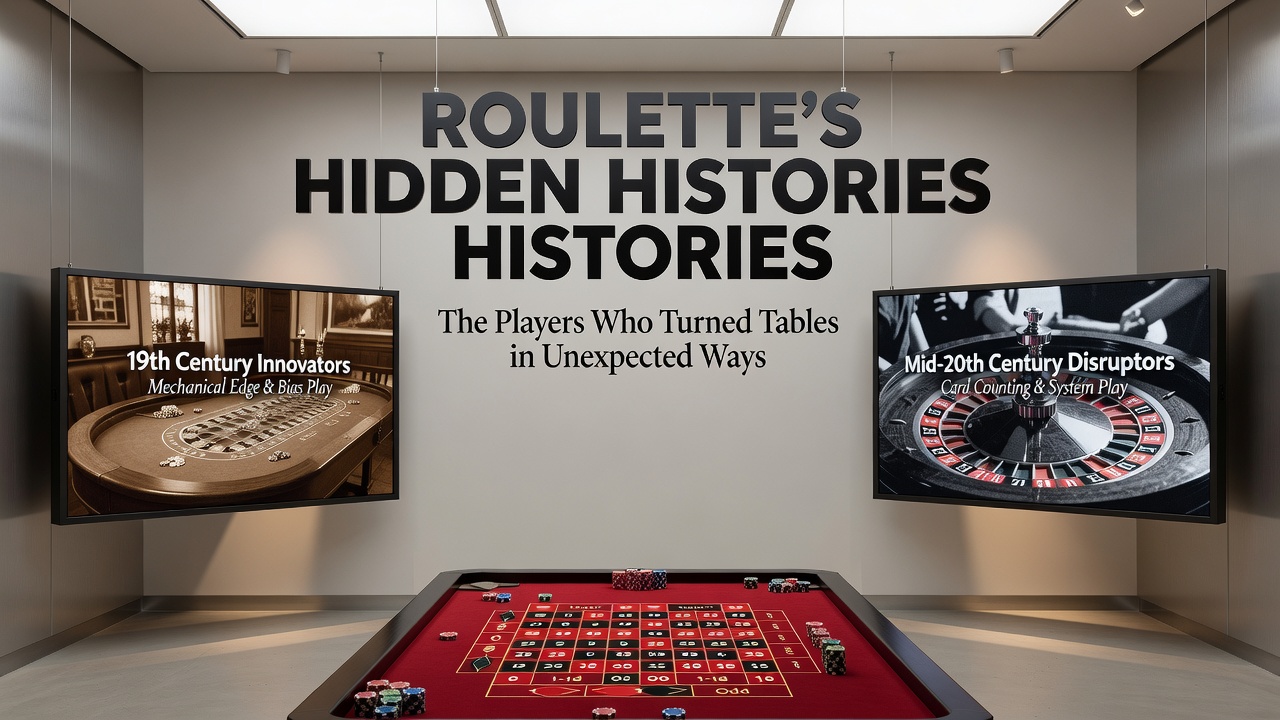
 Roulette emerged in the late 18th century in France where players gathered around spinning wheels that combined elements of earlier games like Roly Poly and even older Italian lotteries, and the format quickly spread across European gaming houses because the simple red and black layout combined with numbered pockets created consistent betting opportunities that drew crowds from various social classes. Observers note that early wheels featured 38 pockets including both a single and double zero which gave the house its edge yet this did not deter individuals who sought patterns or mechanical advantages in the apparatus itself. Joseph Jagger stands out among those who approached the game through observation rather than superstition when he arrived in Monte Carlo during the 1870s and hired assistants to record outcomes on multiple wheels over several days, and his team discovered that certain devices produced biased results due to manufacturing imperfections in the frets separating the pockets. Armed with this data Jagger placed large bets on the numbers that appeared more frequently which allowed him to secure substantial winnings before casino staff identified the pattern and rotated the wheels to neutralize teh advantage.
Mechanical Insights and Early Exploits
Charles Wells followed a different path when he visited the same Monte Carlo casino in 1891 and reportedly broke the bank multiple times during a single visit by employing a system based on progressive betting combined with careful selection of tables, and records from that era show he walked away with millions in today's equivalent currency before returning weeks later to repeat the feat on fresh wheels. Historians point out that Wells financed his play through investor funds rather than personal wealth which added layers to the story yet the mechanical consistency of the wheels remained central to his reported success.
Other accounts describe players who noticed subtle differences in wheel construction across various casinos in the early 20th century when manufacturing standards varied widely between establishments in France, Germany and the United States, and these individuals traveled between locations to test equipment before committing significant stakes. Data from casino archives indicates that such targeted approaches occasionally yielded short term gains though regulatory bodies eventually introduced stricter maintenance protocols to reduce predictable biases.
Modern Variations and Documented Cases
During the mid 20th century researchers at institutions such as the University of Nevada began studying roulette outcomes through statistical sampling which revealed that even minor wear on ball tracks could influence results over thousands of spins, and this work informed later oversight by bodies including the Nevada Gaming Control Board. Players who studied these reports sometimes adjusted their observation techniques accordingly though the introduction of automated wheels in many venues reduced opportunities for such analysis.
One documented case from Australian casino records in the 1980s involved a group that identified consistent landing patterns on a particular wheel model due to a slight imbalance in the rotor assembly, and after notifying management the establishment replaced the equipment while the players moved on to other tables without further incident. Similar incidents prompted the European Casino Association to publish guidelines on routine calibration checks that remain referenced in industry training materials today.
June 2026 marks the scheduled opening of a temporary exhibit at the Nevada State Museum that will display original wheel components from the Jagger era alongside statistical charts compiled by university teams, and visitors will gain access to digitized ledgers that illustrate how individual bettors once tracked results across multiple sessions. This display connects directly to ongoing academic interest in probability models that continue to evolve with new data collection methods.
Regulatory Developments Across Regions
Government agencies in Canada and Australia have compiled reports on historical wheel inspections that highlight the shift from manual verification to electronic monitoring systems during the 1990s, and these documents show measurable reductions in reported bias incidents following the adoption of standardized testing intervals. Players who once relied on visual cues adapted by focusing on game variants that incorporate additional betting options or modified payout structures.
Research papers from institutions in Asia have examined cultural differences in roulette participation during the same periods when Western casinos emphasized individual table play while some Eastern venues incorporated group betting formats that altered typical outcome tracking methods. Figures from these studies indicate that participation patterns shifted notably after electronic displays became standard which allowed spectators to review recent spins without direct access to the wheel itself.
Conclusion
Records preserved by gaming authorities and academic archives demonstrate that roulette has attracted individuals who applied systematic observation and mechanical knowledge to influence their results in measurable ways across different eras and locations. These cases illustrate how equipment variations once created opportunities that later regulatory frameworks addressed through improved oversight and technology. The historical record continues to inform current practices in both physical and digital environments where similar principles of probability and equipment integrity remain central to fair play standards.