7 Jun 2026
Roulette's Worldwide Path: Player Experiences Meet Regional Rule Shifts
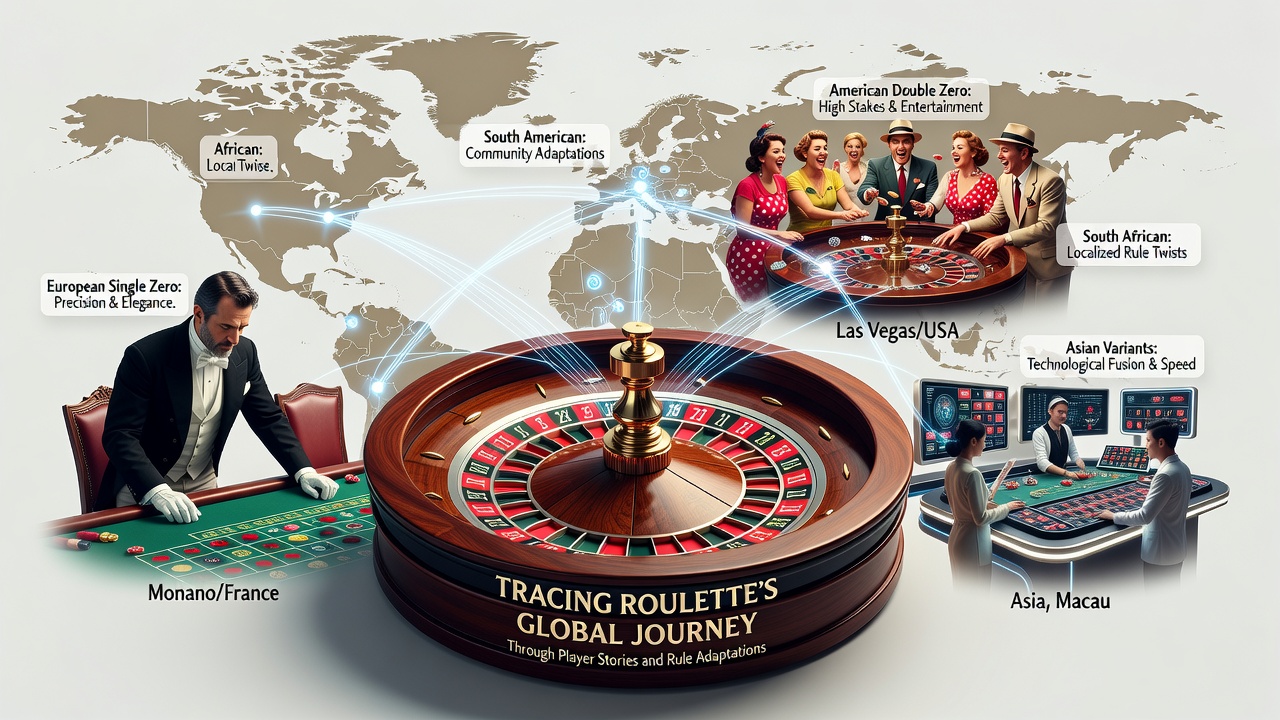
Roulette began in 18th-century France as a wheel-based game blending elements from earlier chance devices, and it spread through ports, casinos, and migration patterns that carried both the equipment and the betting customs. Observers trace its movement from Parisian salons to Mississippi riverboats where American operators adjusted the wheel by adding a second zero pocket, which increased the house edge from 2.7 percent in single-zero versions to 5.26 percent in the double-zero format that became standard across many US venues. Players who crossed the Atlantic recounted how these mechanical changes altered payout structures and forced recalculations of common outside bets such as red-black and odd-even.
European Foundations and Early Player Accounts
French casinos maintained the single-zero wheel along with protective rules like en prison and la partage that return half the stake on even-money bets when zero appears. Accounts from Monte Carlo in the late 19th century describe gamblers noting these concessions during extended sessions, while data collected by French gaming authorities later confirmed that such rules kept player retention higher than in jurisdictions without them. One documented case involved a regular at the Casino de Paris who tracked sequences over 200 spins and adjusted wagers accordingly, illustrating how individuals adapted strategies to local wheel specifications rather than relying on universal systems.
American Modifications and Casino Floor Realities
US operators introduced the double-zero pocket during the 19th century to offset operational costs on riverboats and in frontier towns, and this version migrated westward to Nevada after legalization in 1931. Nevada Gaming Control Board records show that by the mid-20th century the double-zero layout dominated table inventories, yet some high-limit rooms experimented with single-zero wheels to attract international clientele. Players who frequented both European and American floors often described the psychological shift required when the extra zero reduced expected returns on column and dozen bets, prompting many to favor inside-number combinations that carried the same 35-to-1 payout regardless of wheel type.
Asian Variants and Cultural Adjustments
In Macau and Singapore, operators blended traditional roulette with local preferences by offering rapid-fire wheels and side bets tied to zodiac themes. Research from the University of Macau's gaming studies unit indicates that these additions increased average spin frequency by 15 percent compared with standard European tables, while maintaining the core 37-pocket layout. Participants in these markets reported learning to incorporate the new wagers into existing progressions, and one frequent visitor described shifting from European even-money bets to the zodiac options during peak evening hours because the higher volatility aligned with shorter visit durations typical of regional tourism patterns.
Further east, Japanese arcade-style venues adapted the game into electronic terminals that display results in rapid succession, removing the physical dealer and shortening cycle times to under 30 seconds. Government statistics released in 2025 noted a measurable rise in participation among younger demographics who preferred the digital interface over cloth-covered tables.
Online Expansion and Cross-Border Rule Harmonization
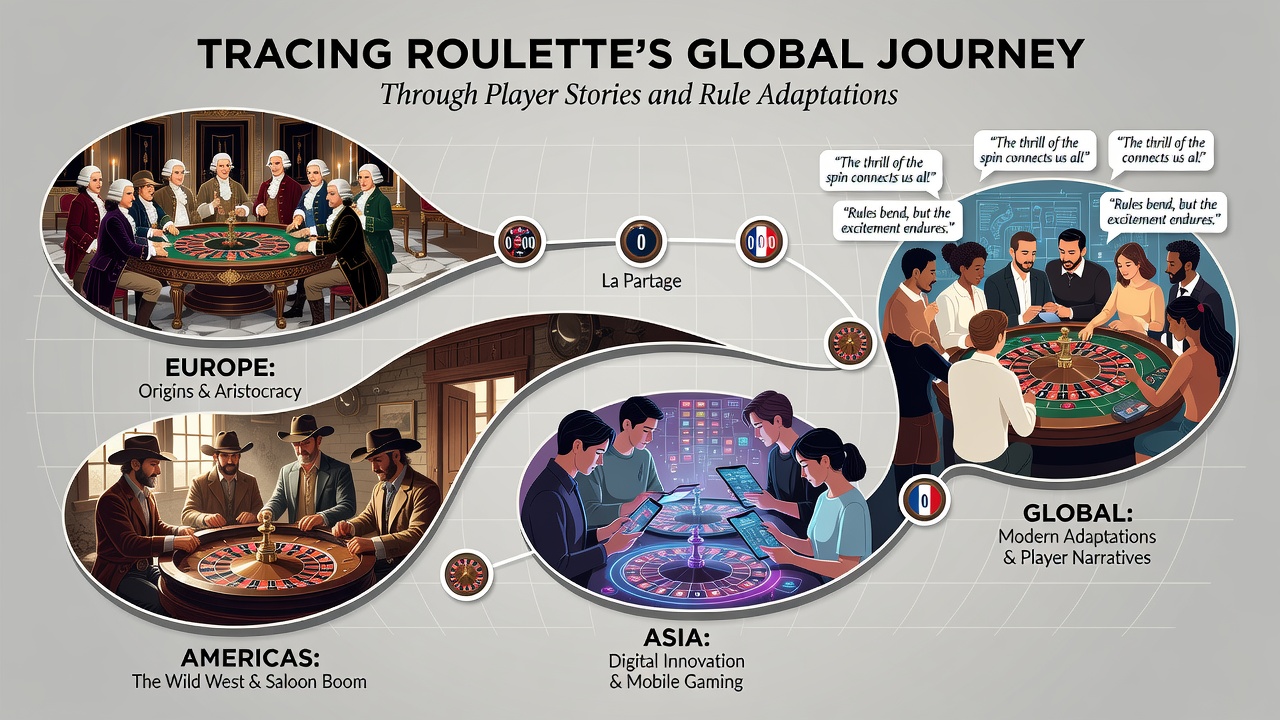
Digital platforms accelerated the game's reach after 2000, allowing operators to host multiple wheel types simultaneously and to apply jurisdiction-specific settings based on player location. Figures released by the Malta Gaming Authority in June 2026 revealed that European-licensed sites processed over 4.2 million roulette sessions monthly, with single-zero wheels selected in 68 percent of cases when both options appeared. Players crossing regulatory borders described toggling between versions depending on bonus eligibility, and several case studies documented how Australian residents using offshore sites encountered double-zero wheels more frequently than their UK-based counterparts because of differing licensing requirements.
Canadian provincial regulators, including those in Ontario, began requiring explicit disclosure of wheel type and house edge on all online tables by early 2026, which prompted operators to standardize labeling across interfaces. One Ontario resident who maintained accounts on multiple platforms reported using these disclosures to select single-zero games exclusively, thereby aligning personal bankroll management with the lower edge offered under the provincial framework.
Player Narratives from Multiple Continents
Stories collected by independent researchers illustrate recurring themes of adaptation. A traveler who played in both Johannesburg and Sydney noted that South African tables retained French-style la partage while Australian venues followed the standard single-zero model without the half-stake return, forcing a recalculation of session length expectations. Another account from Brazil described how local land-based casinos introduced a third zero pocket on certain promotional tables, an experiment later discontinued after internal audits showed reduced table utilization.
These individual experiences highlight how rule variations function as regional signatures rather than random deviations, and they continue to shape the decisions of mobile players who encounter multiple configurations within a single evening of play.
Conclusion
Roulette's movement across continents demonstrates consistent mechanical tweaks paired with player-driven responses that range from betting adjustments to platform selection. Regulatory updates scheduled through 2026 and beyond will likely continue this pattern as new markets evaluate wheel configurations against revenue targets and consumer protection standards. The documented player accounts and licensing data together map a game whose core remains stable while its surrounding conditions shift with geography and technology.