24 May 2026
Tracing Cultural Threads: How Regional Customs Reshape Roulette Variants and Player Conduct in Global Casinos
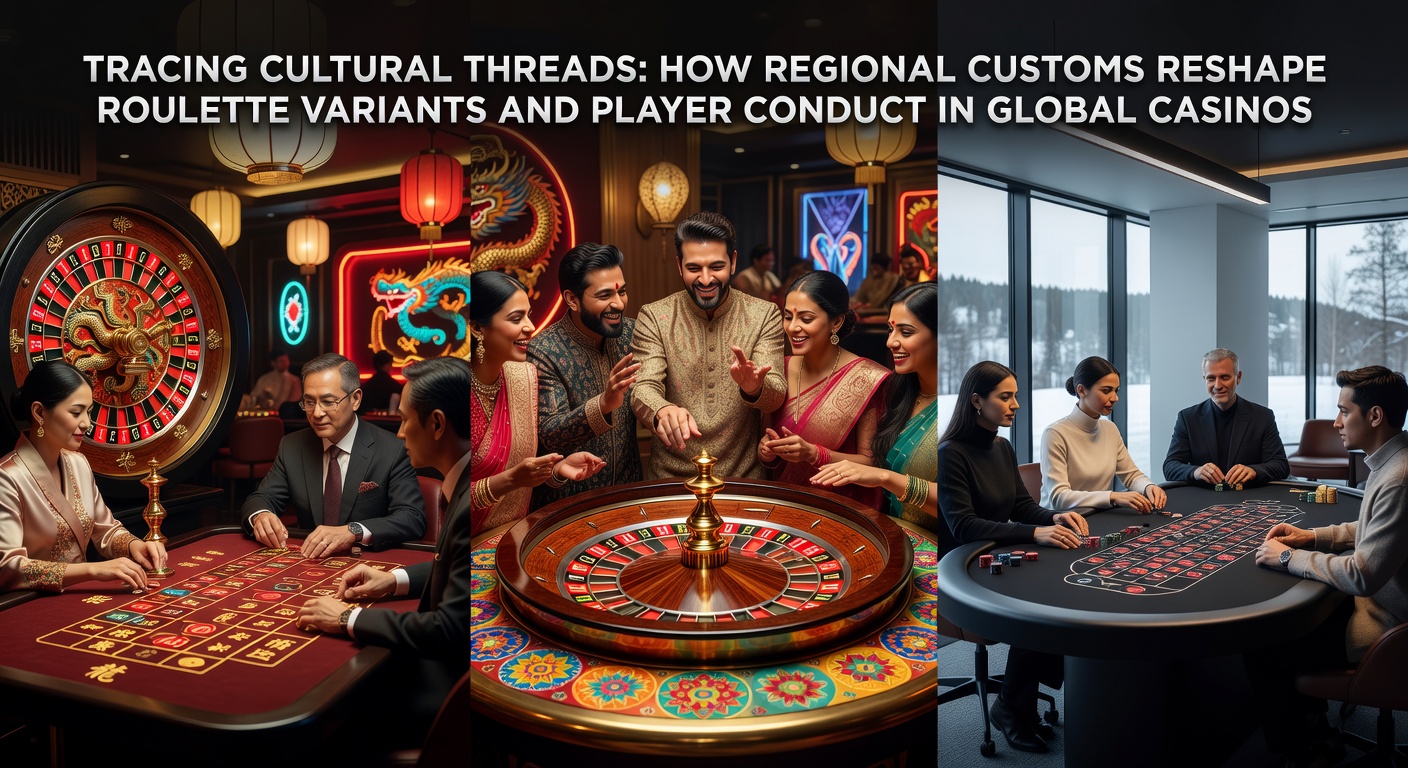
Roulette emerged in 18th-century France yet spread across continents where local traditions altered both its mechanical rules and the social behaviors surrounding each spin; observers note that these adaptations appear in wheel designs, betting grids, and table manners that differ sharply from one jurisdiction to another. Data from regulatory filings show that European variants retain the single-zero layout common in France and Germany, while American tables added a double-zero pocket during the 19th century to increase house margins under frontier gambling norms. Researchers at the University of Macau have documented how Cantonese numerology shapes chip colors and seating arrangements in Asian properties, creating patterns absent from Western floors.
European Foundations Meet Local Traditions
French casinos preserved the original 37-pocket wheel along with rules such as la partage that return half the stake on even-money bets when zero appears, yet neighboring countries introduced subtle conduct codes tied to their own social histories. In Monaco players maintain low voices and formal attire because the principality’s gaming laws evolved alongside aristocratic leisure customs, whereas German state casinos permit slightly louder discussion once the ball settles because public gaming there developed under more egalitarian post-war regulations. According to the Nevada Gaming Control Board annual reports, these European distinctions still influence training manuals used by dealers who transfer between continents.
American Variants and Frontier Etiquette
American roulette expanded the wheel to 38 pockets in the mid-1800s, a change historians link to riverboat operators seeking higher profits amid rapid westward expansion. Player conduct in Las Vegas and Atlantic City reflects that same commercial urgency: tables encourage rapid bet placement and verbal interaction with dealers, practices rooted in the theatrical atmosphere of early 20th-century Nevada resorts. Observers note that many U.S. properties now post multilingual etiquette cards that explicitly discourage the slower, more deliberative pace common in European rooms, thereby aligning table rhythm with the faster turnover expected by domestic audiences.
Asian Markets and Superstition-Driven Play
Macau and Singapore casinos adapted roulette to accommodate regional beliefs about luck and fate; red numbers receive heavier wagering volume because they symbolize prosperity in Chinese culture, while certain seat positions remain avoided because they face unlucky compass directions. Gaming floors in these jurisdictions often install larger bet minimums on outside wagers to accommodate group play among friends, a pattern researchers tie to collectivist social structures rather than individual strategy. In May 2026 the International Casino Culture Summit in Singapore will convene operators and anthropologists to examine how these customs continue to evolve under new licensing frameworks issued by the Casino Regulatory Authority of Singapore.

Player conduct further diverges through ritual gestures: some Asian tables permit light tapping of chips for good fortune before the spin, whereas the same action would draw warnings in European rooms where touching chips after the ball drops violates strict no-touch rules. Figures released by the Casino Regulatory Authority of Singapore indicate that average spin duration lengthens by nearly twelve seconds in culturally adapted games because players pause for these gestures, yet overall table revenue remains stable because bet sizes increase proportionally.
Latin American and African Adaptations
Argentina’s casinos blend Italian immigrant traditions with Spanish colonial gaming laws, resulting in tables that allow verbal bet calls across larger distances than permitted elsewhere; dealers accommodate these calls because local law historically treated roulette as a communal social event rather than a strictly regulated transaction. In South Africa, post-apartheid gaming regulations encouraged inclusive table conduct that welcomes verbal encouragement among players, contrasting with the more reserved atmosphere enforced in many North American venues. Studies compiled by the National Gambling Board of South Africa show that these relaxed conduct norms correlate with higher repeat visitation rates among domestic customers who view the game as an extension of community gatherings.
Cross-Border Dealer Training and Conduct Codes
International casino groups now circulate standardized yet regionally adjusted training modules that teach dealers to recognize and accommodate cultural signals without violating core security protocols. A dealer moving from Macau to Melbourne must learn to accept group chip handling while simultaneously enforcing the stricter verbal silence required under Australian state rules; the transition illustrates how global operators reconcile differing customs within single corporate structures. Industry associations report that such cross-training reduces guest complaints by measurable margins each year.
Conclusion
Regional customs continue to reshape both roulette mechanics and player conduct wherever the game travels, producing variants and behaviors that reflect the societies hosting each table. Regulatory bodies from Nevada to Singapore collect data that document these adaptations, while upcoming gatherings such as the 2026 Singapore summit provide forums for sharing findings across borders. The resulting landscape shows roulette not as a fixed import but as a living practice continually rewritten by the cultural threads of its many homes.